
Microsoft Fabric Data Agent
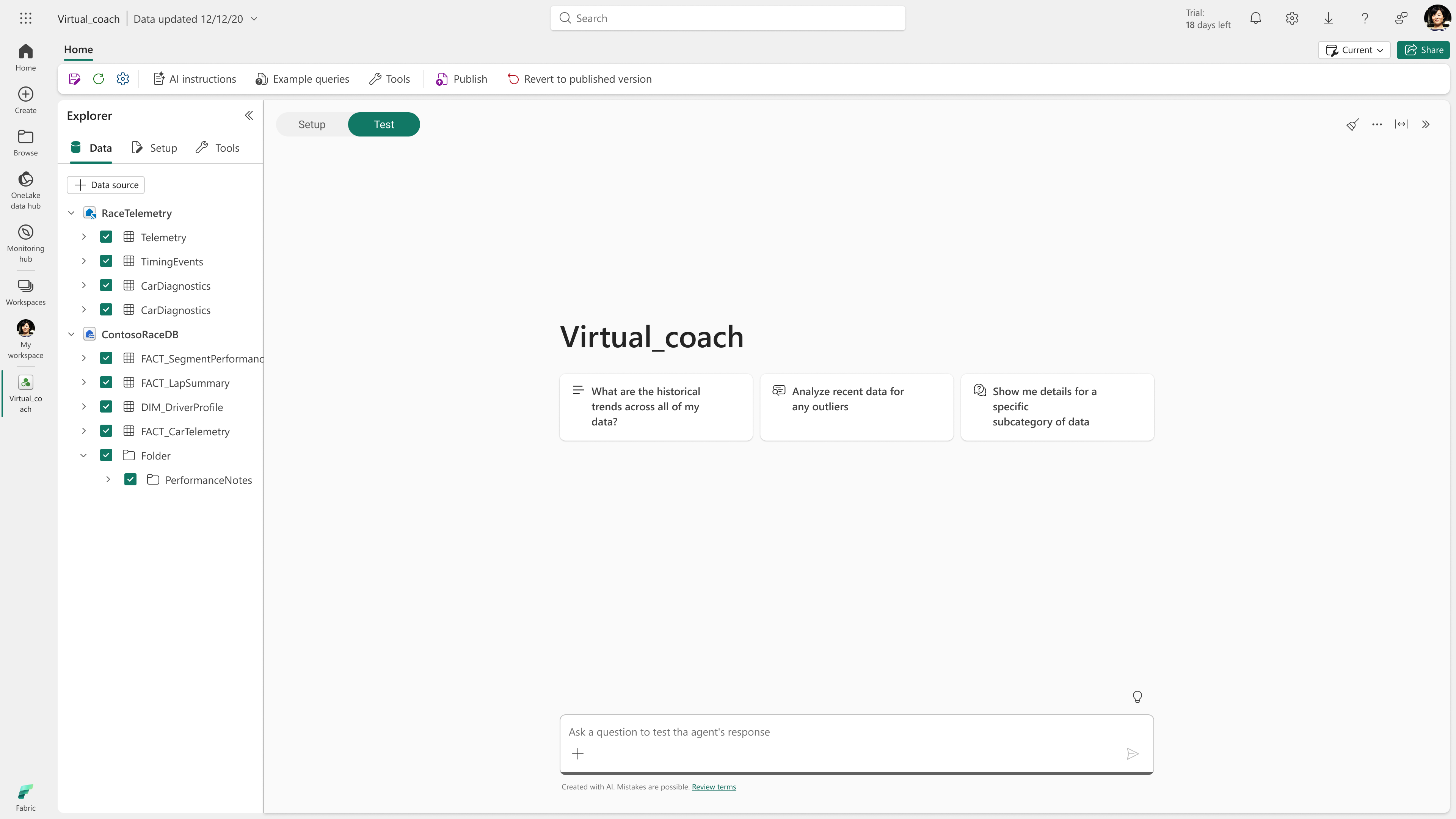
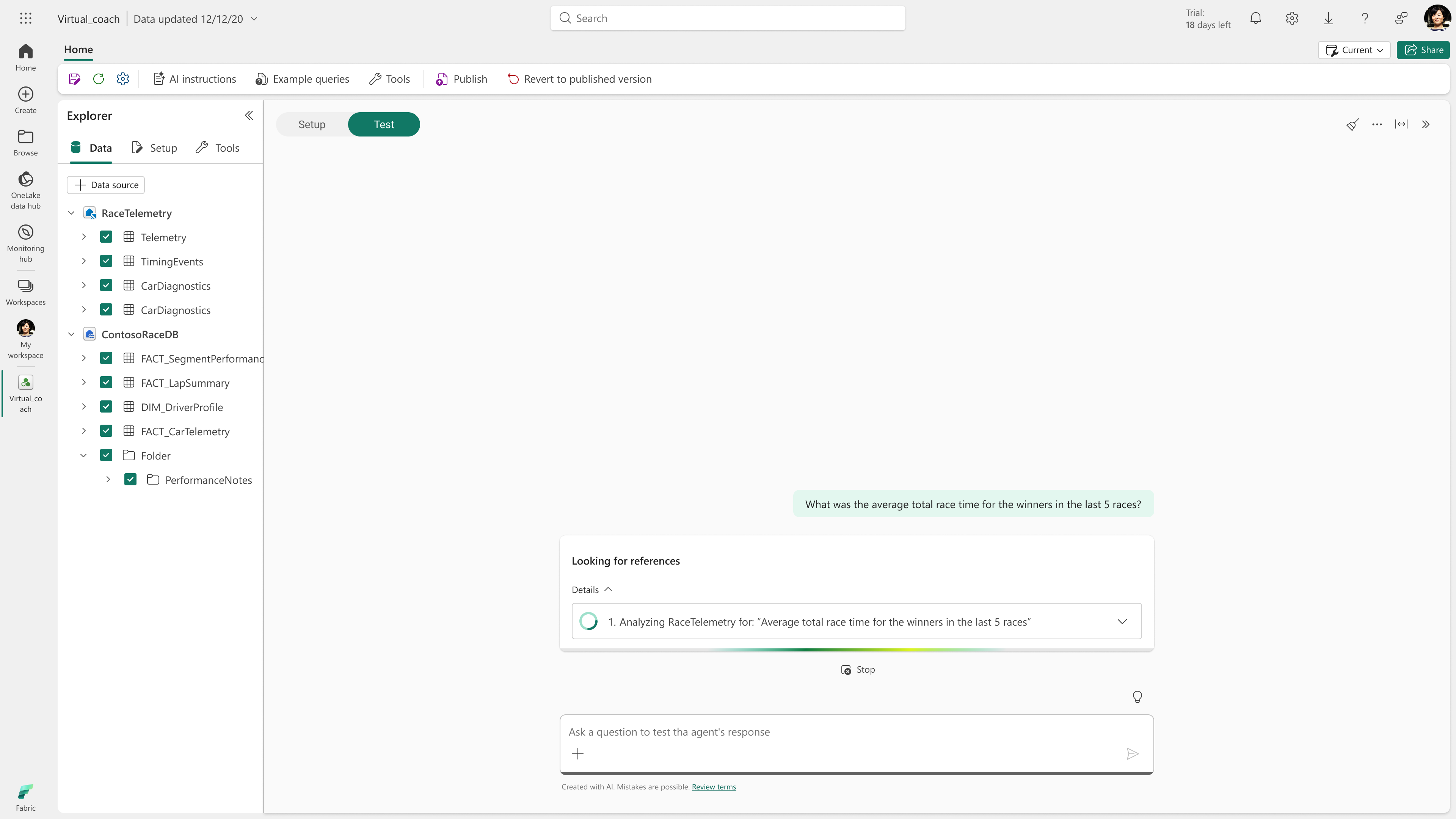
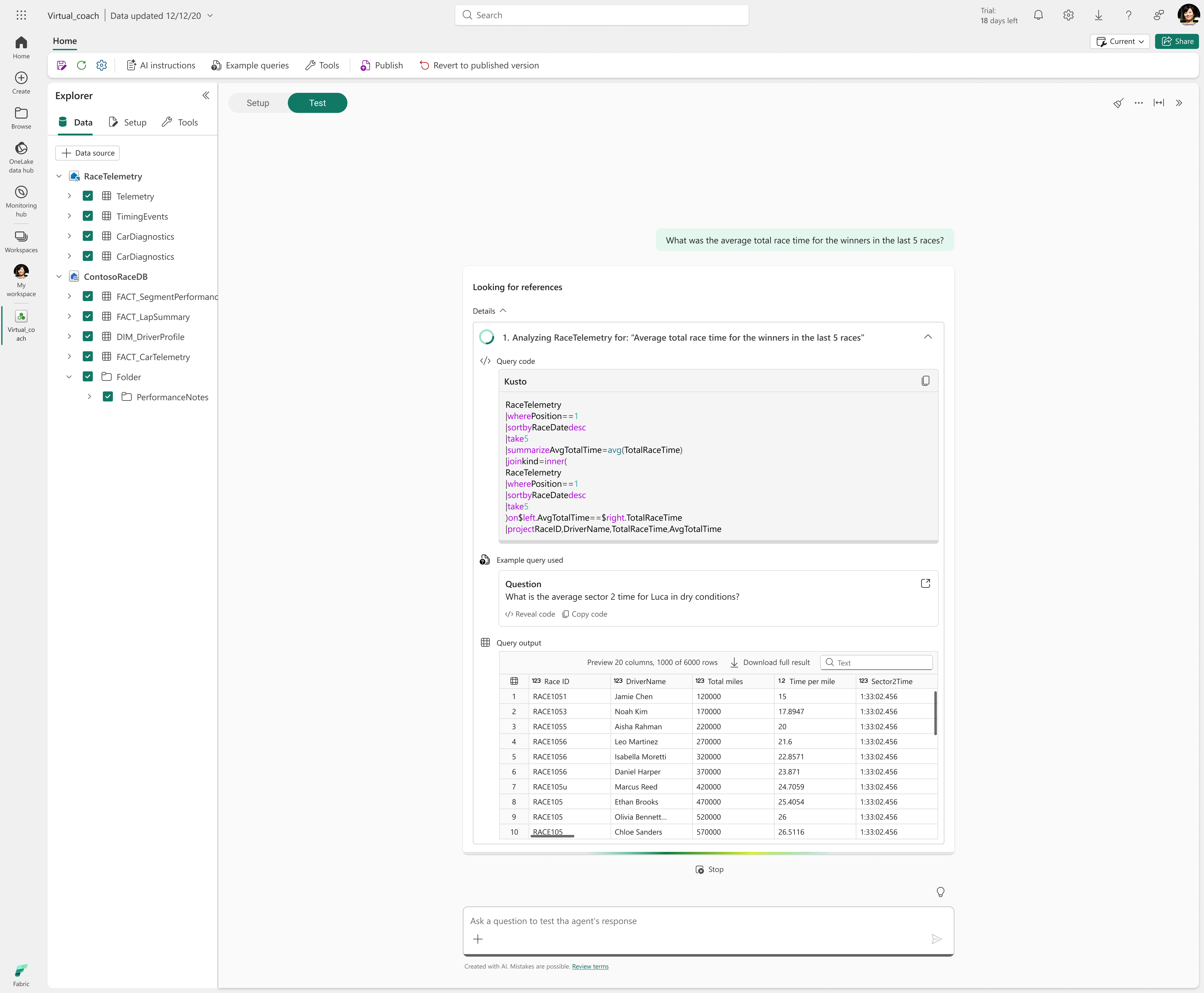
The Fabric Data Agent is an LLM-powered conversational tool that enables users to ask natural language questions about their organization’s data and get accurate answers without having to write queries. The Fabric Data Agent helps bridge the gap between people and data by letting anyone ask questions in plain language and quickly uncover insights about the information that they are working with. It removes the need for specialized query skills and makes data exploration faster, more intuitive, and accessible across teams.

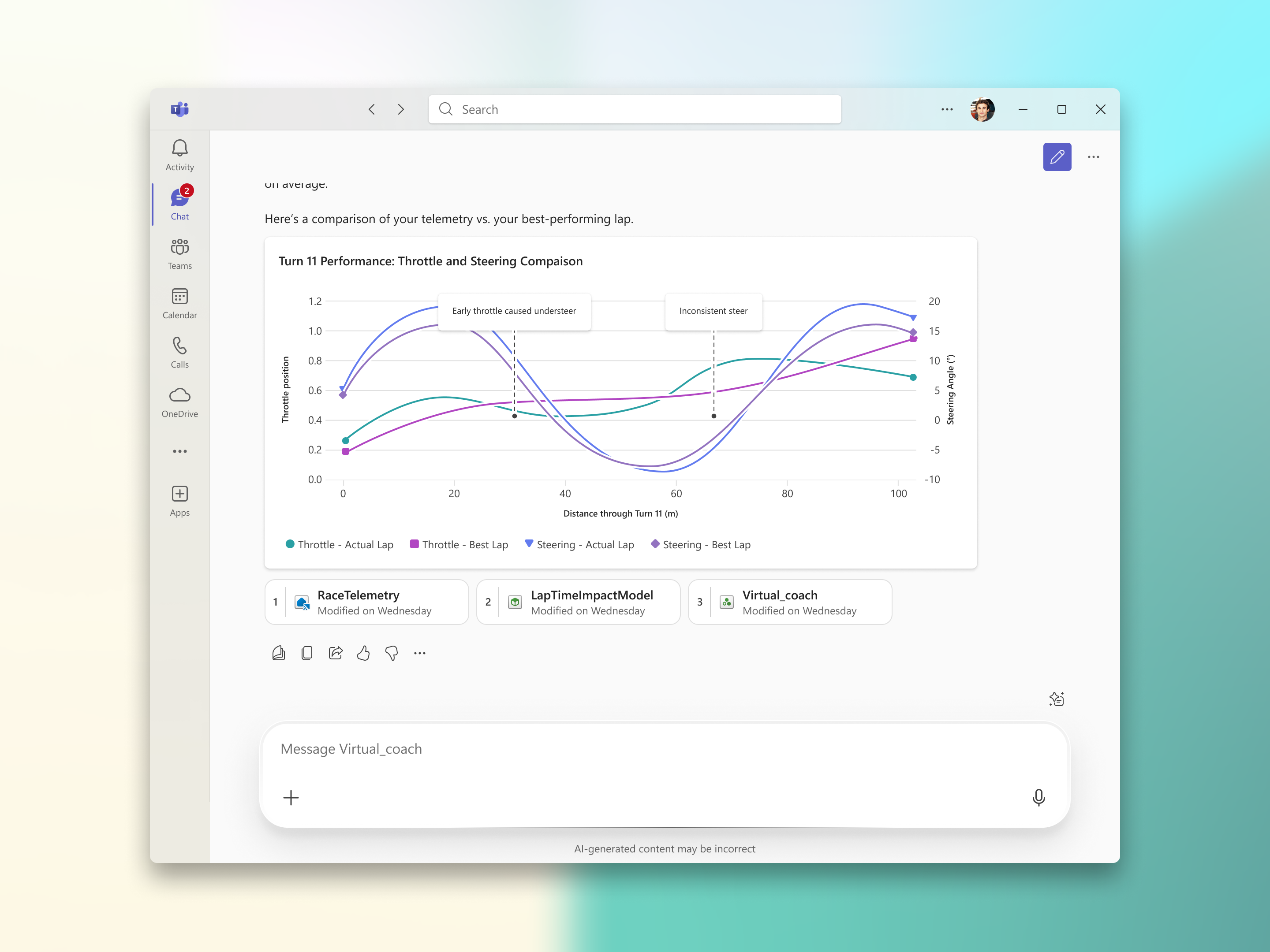
The Challenge
Data teams struggle to scale their impact as demand for insights continues to grow. Data scientists are often pulled into repeated ad hoc requests, creating bottlenecks that slow decision-making across the organization and make insight generation dependent on a small group of experts. At the same time, navigating Fabric’s data landscape feels time-consuming and cognitively heavy. Users frequently spend more effort locating the right tables or models than analyzing information.
For many participants, especially those without a strong data background, onboarding adds another layer of friction. Core concepts and tools can feel overwhelming without clear guidance, making it difficult to build confidence and engage with the platform effectively.
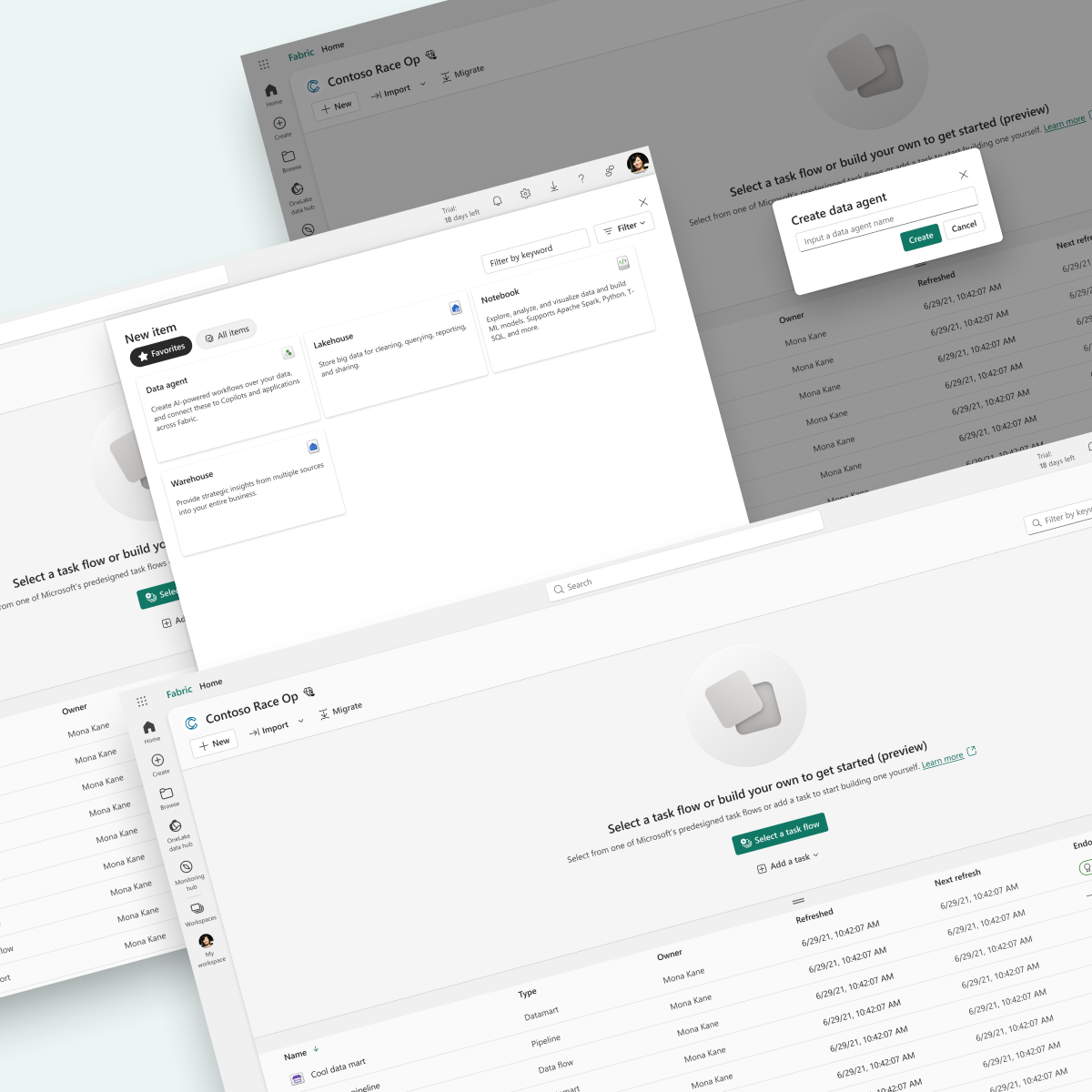

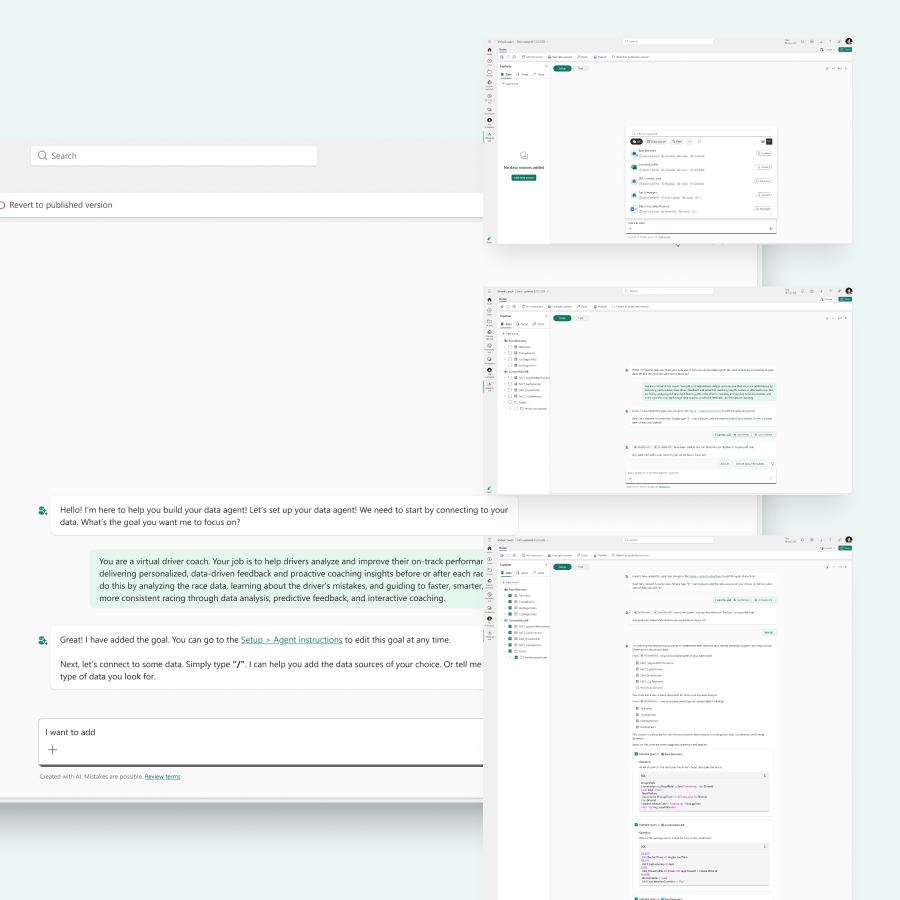
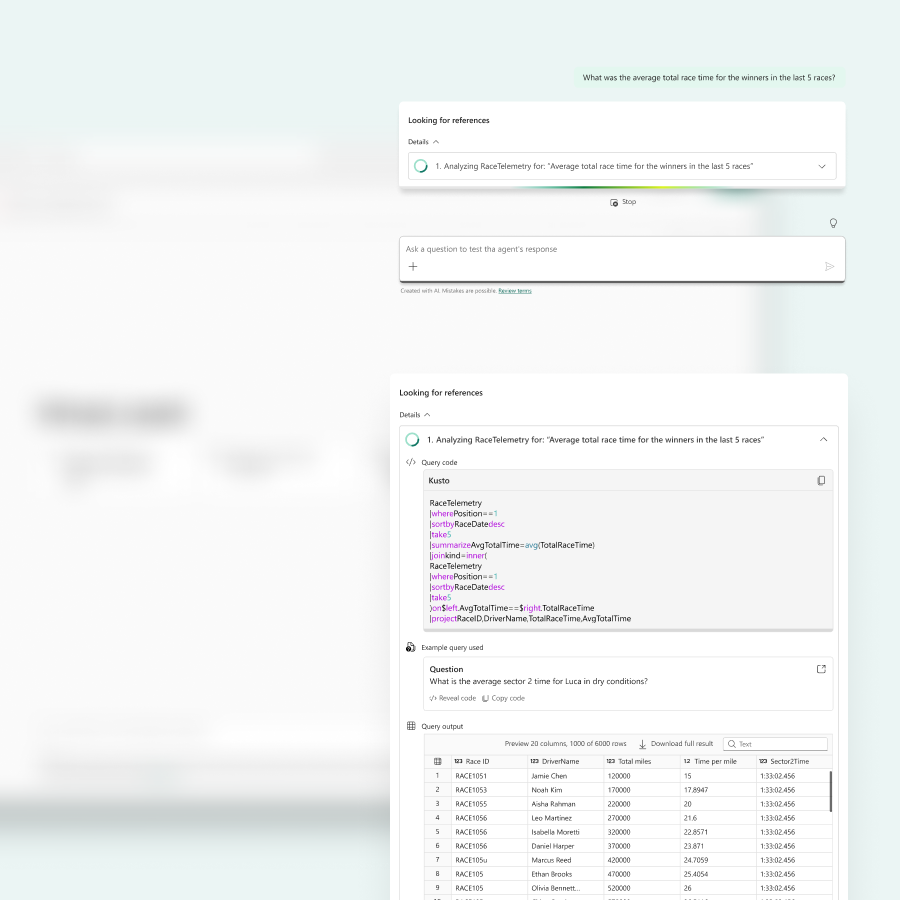
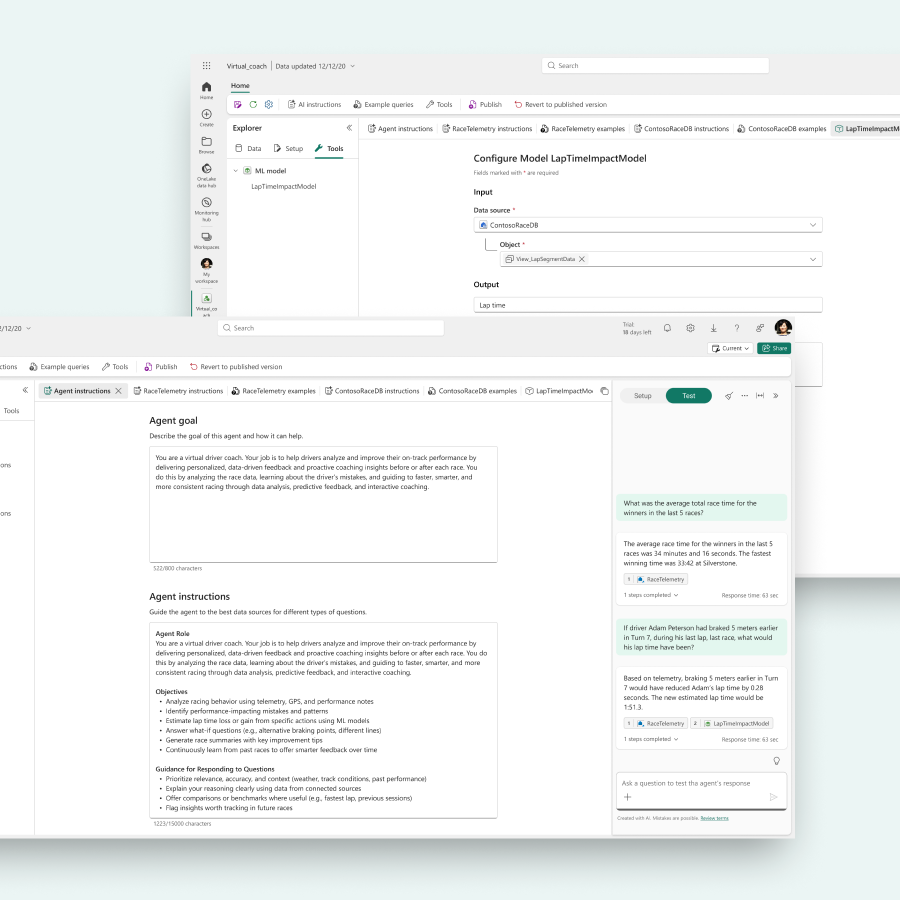
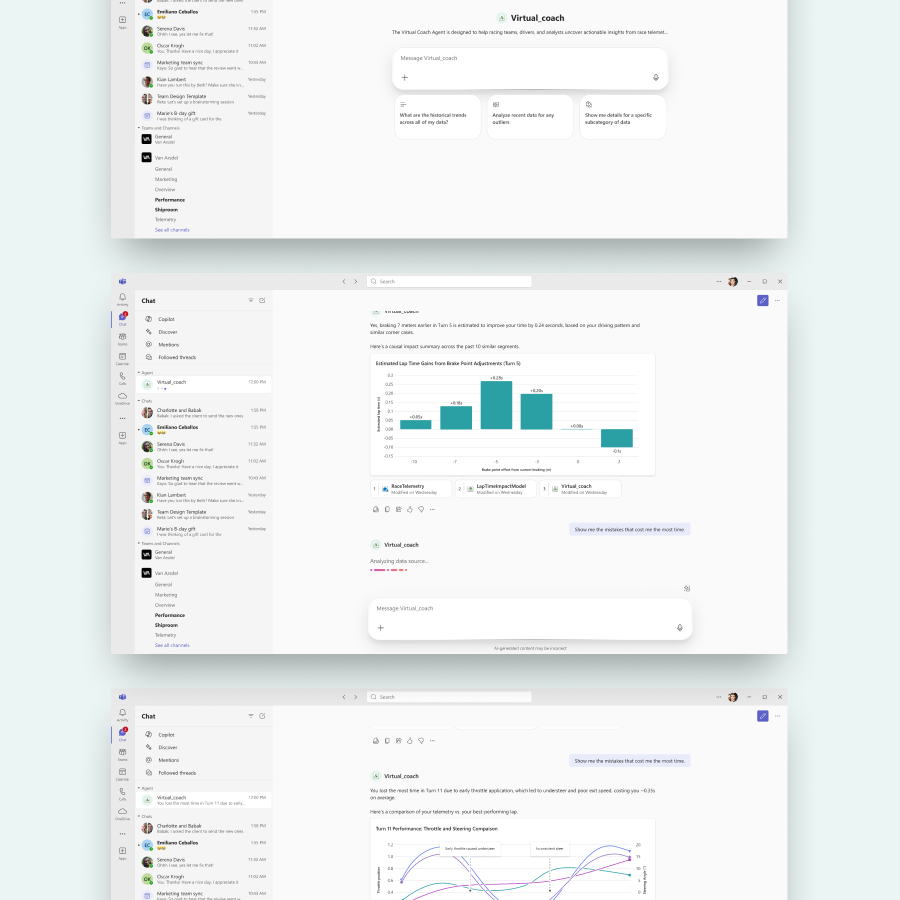
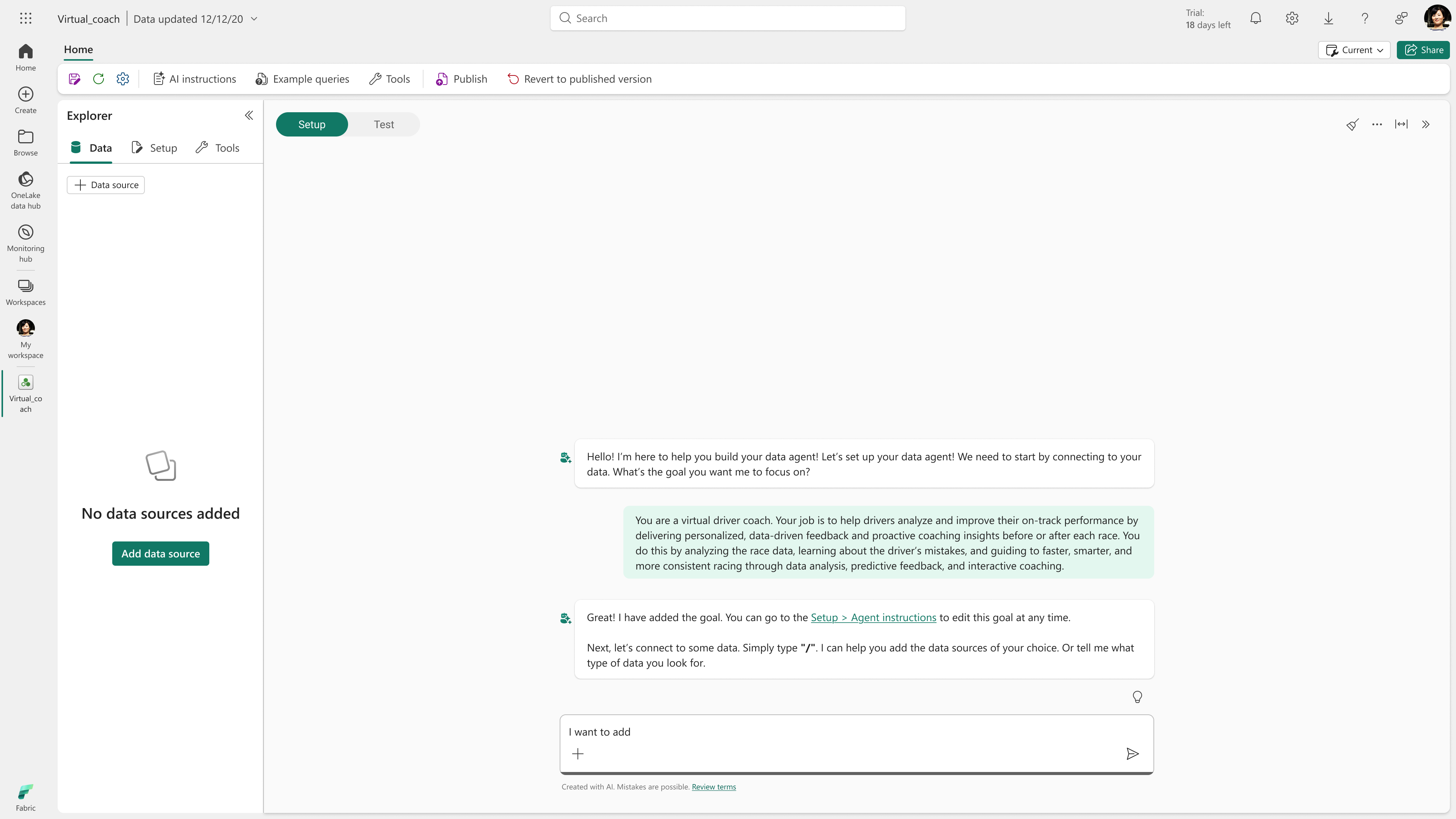
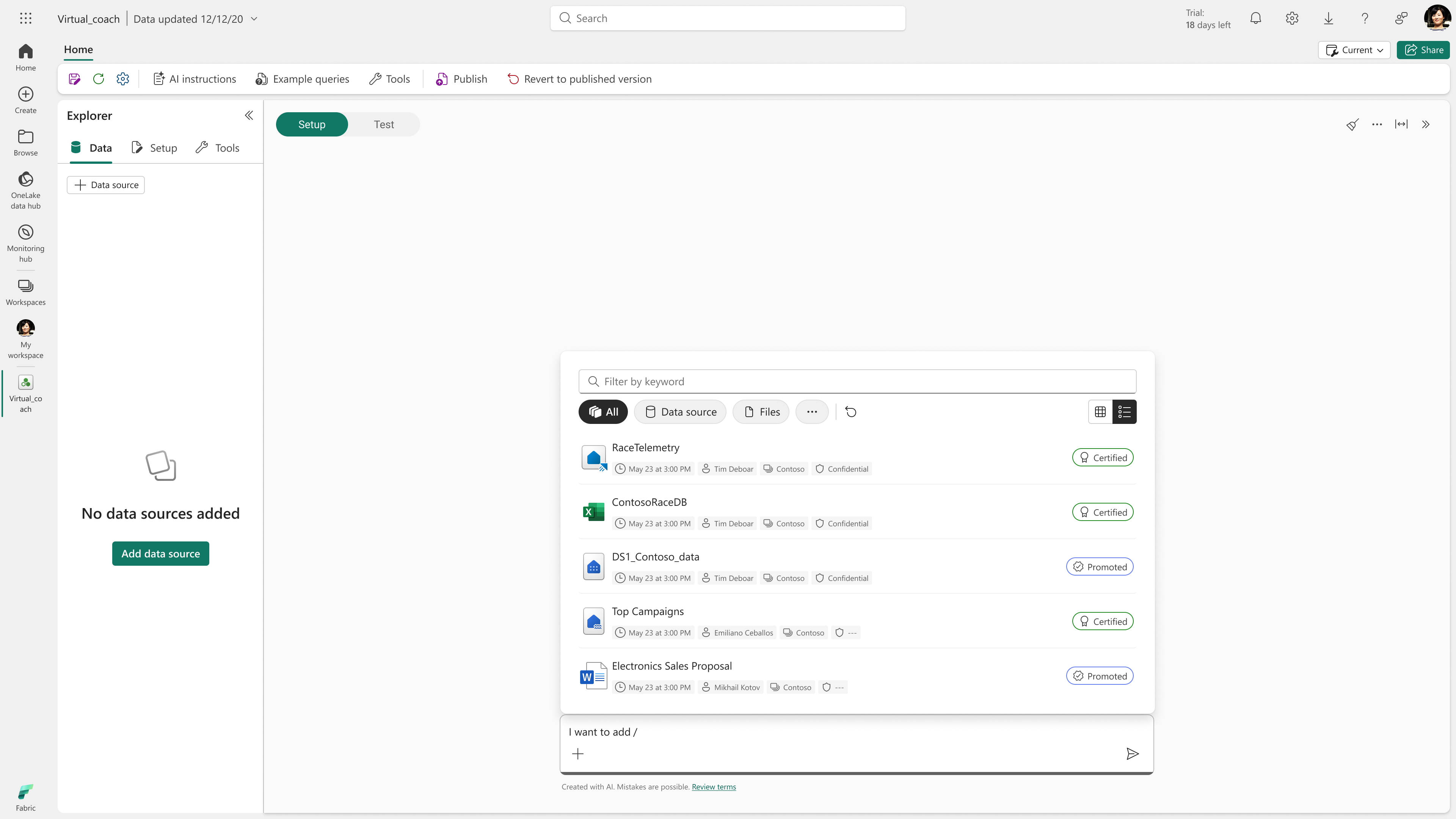
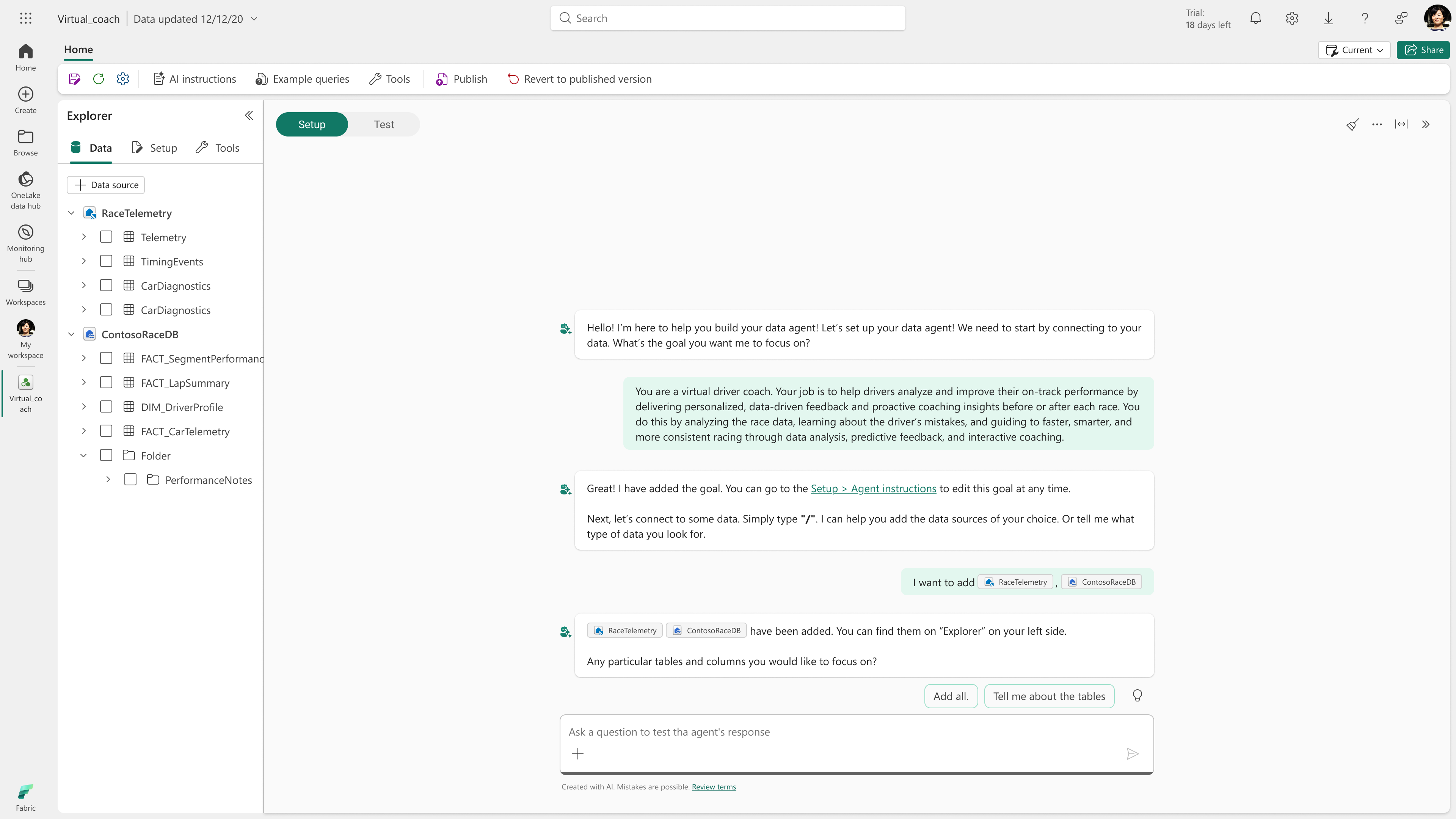
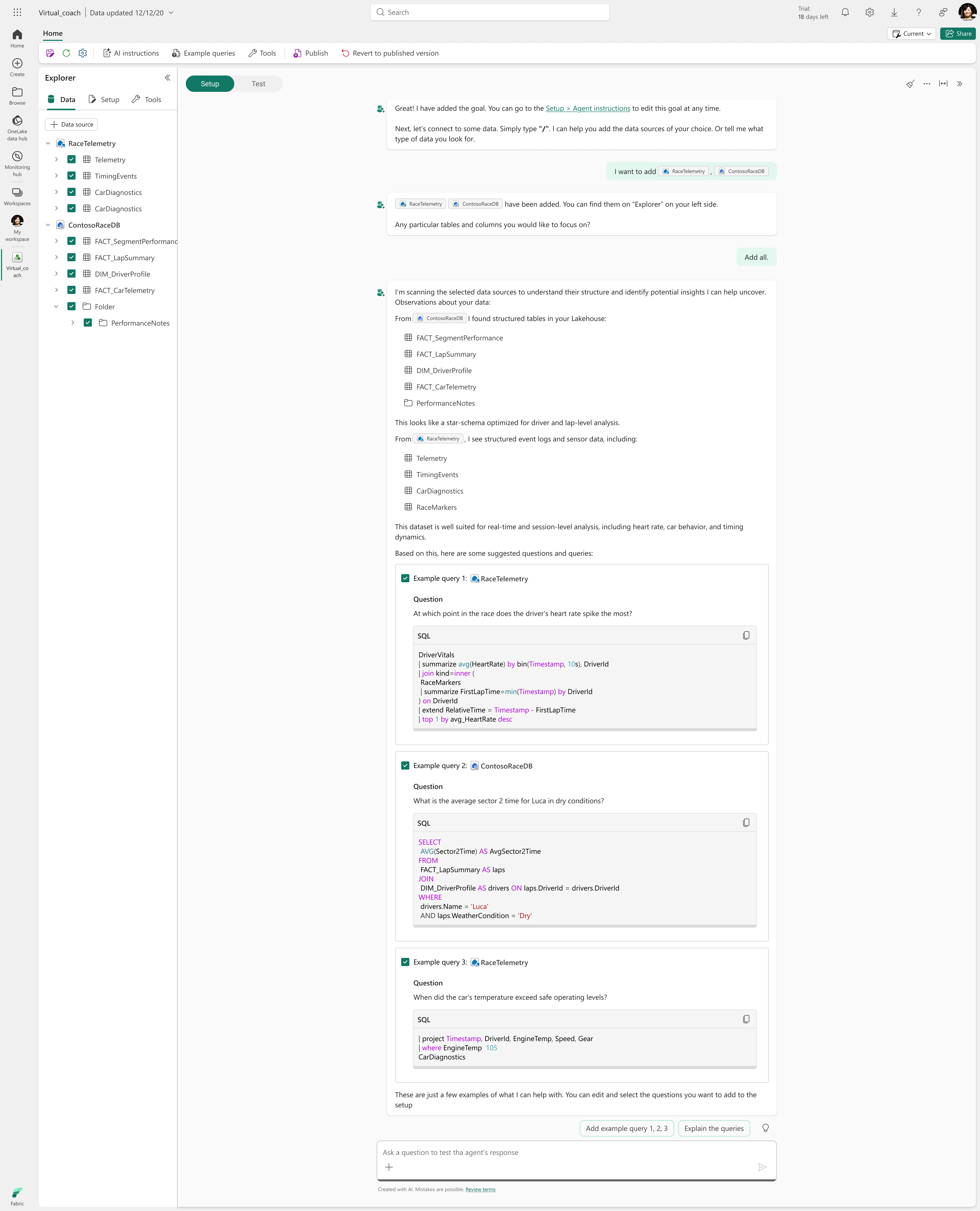
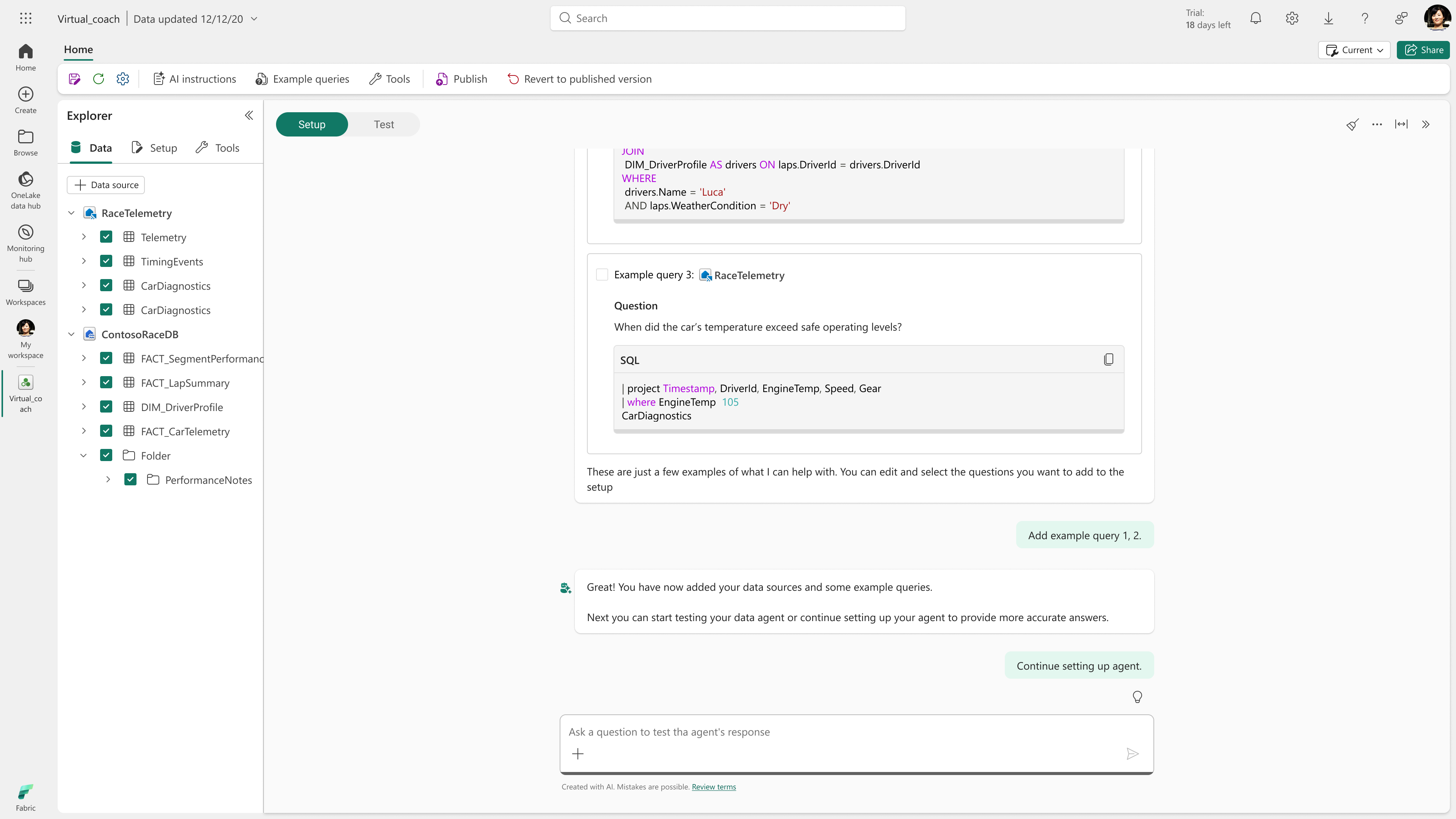
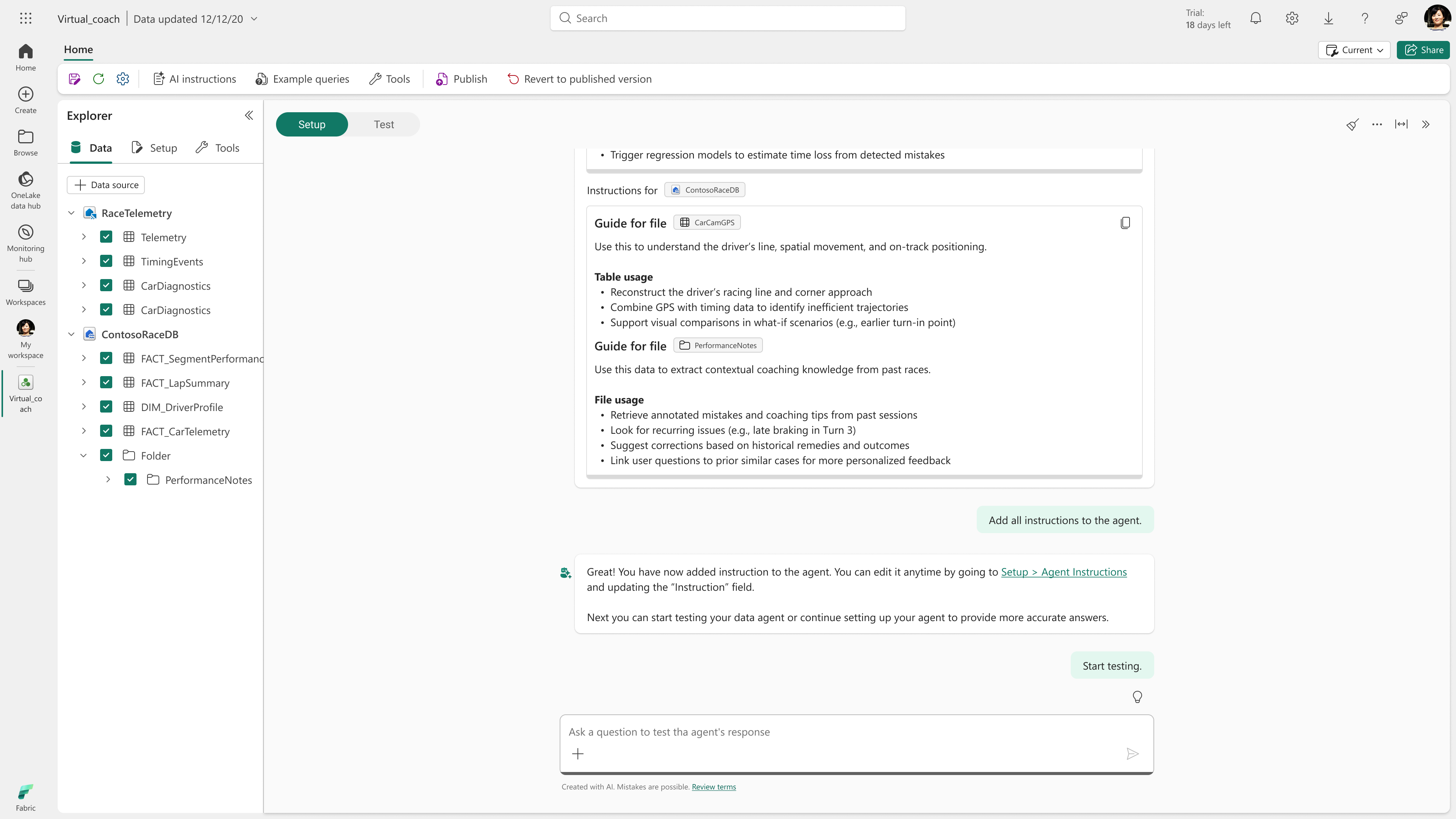
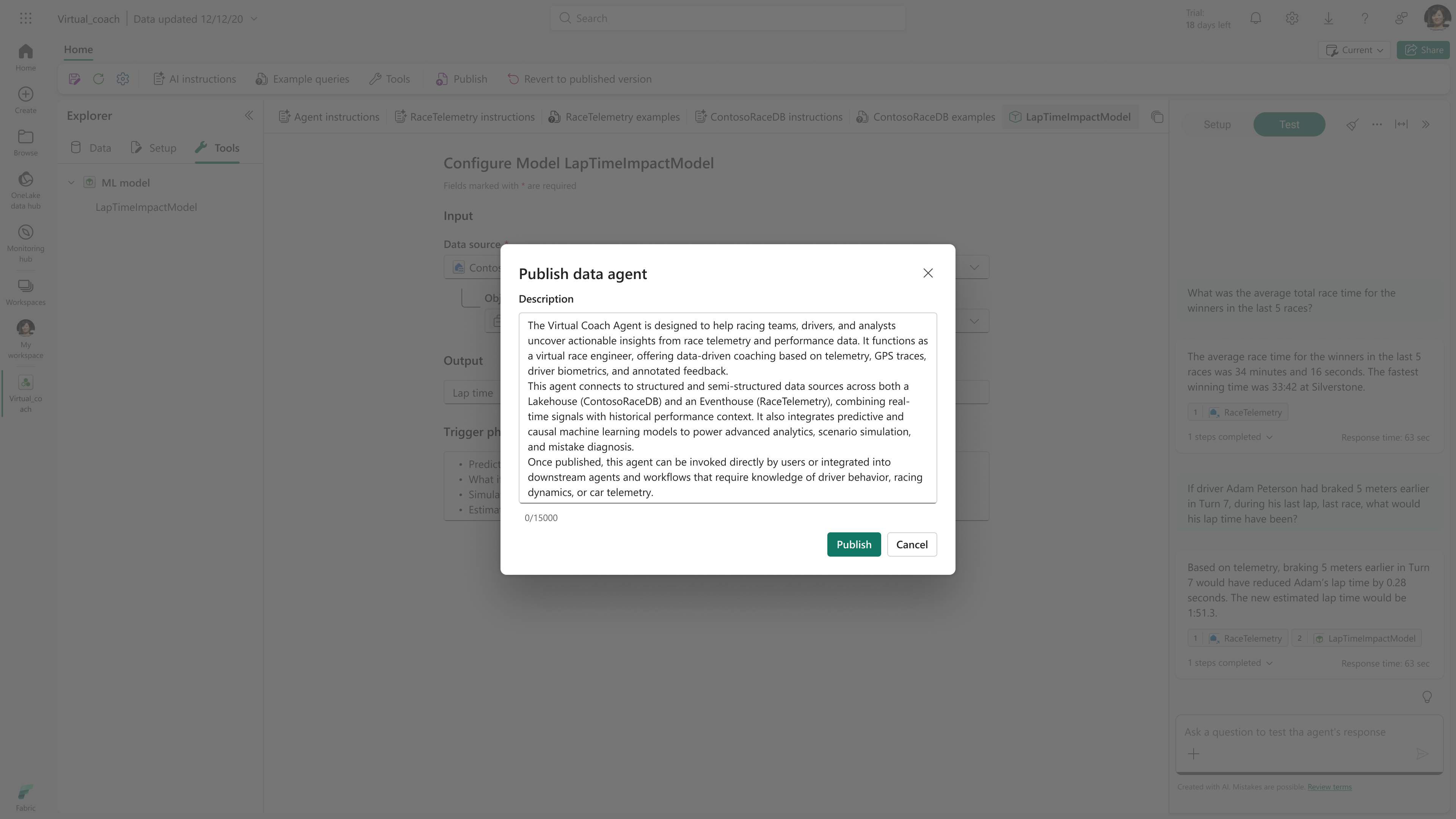
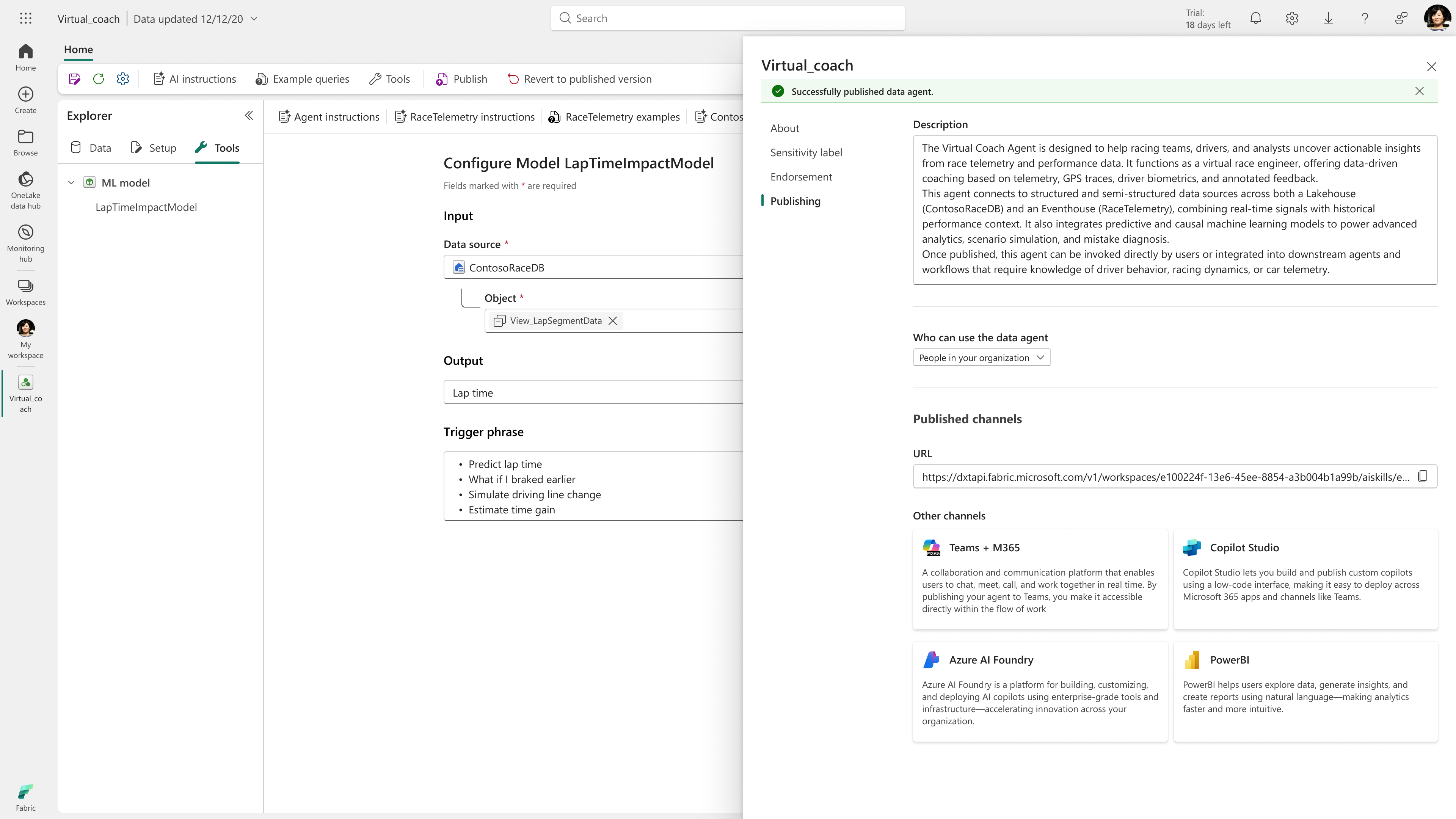
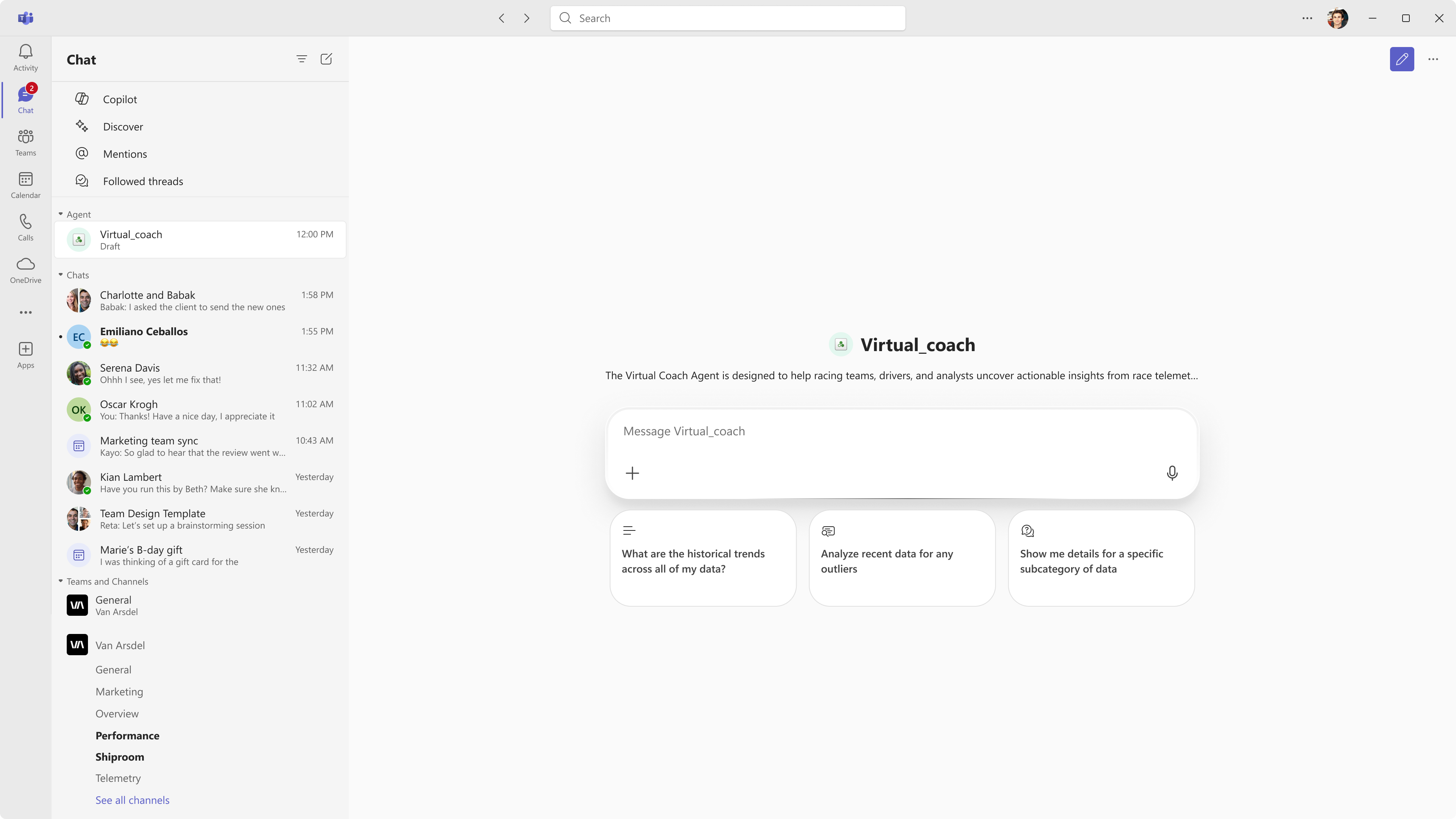
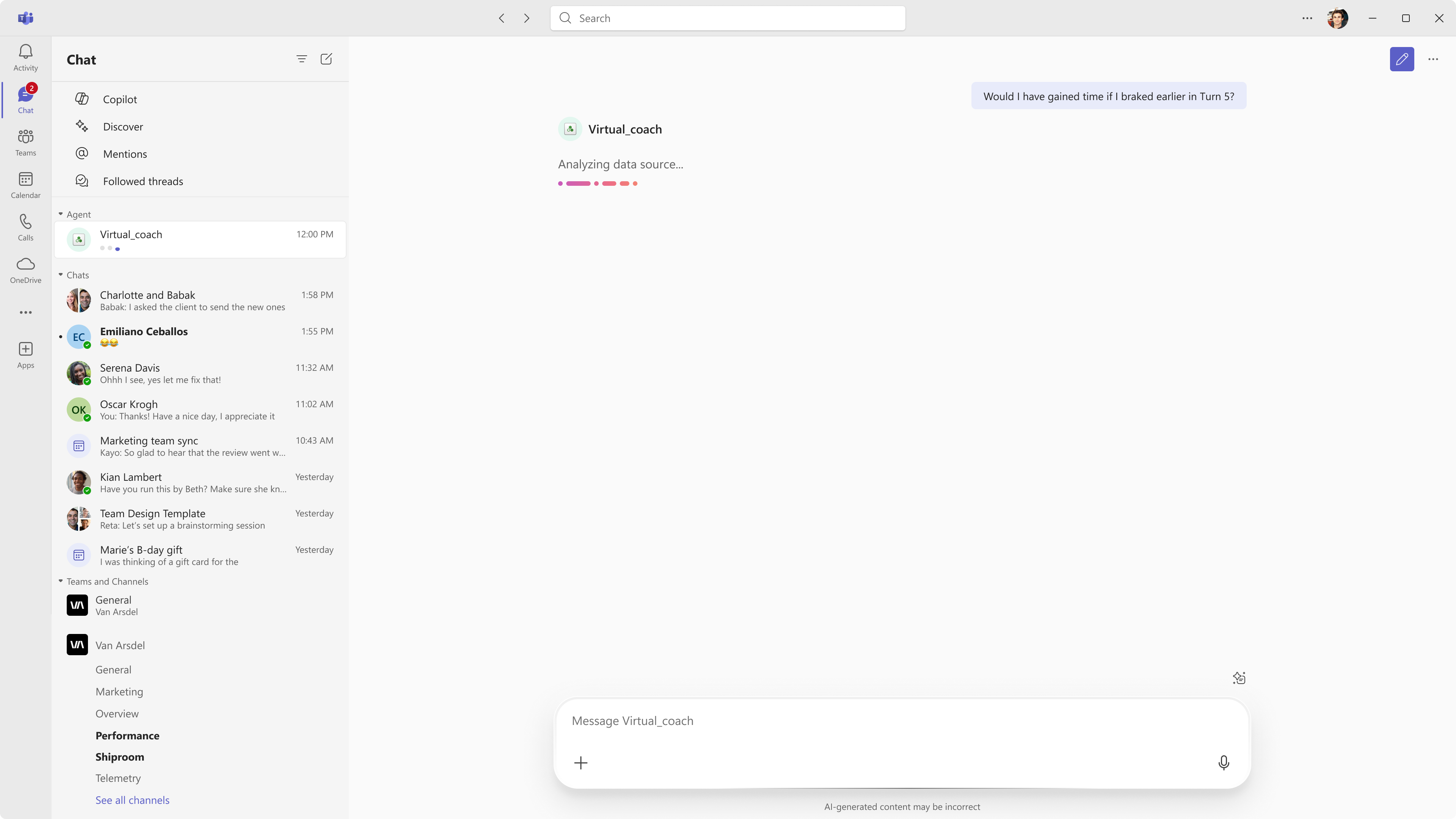
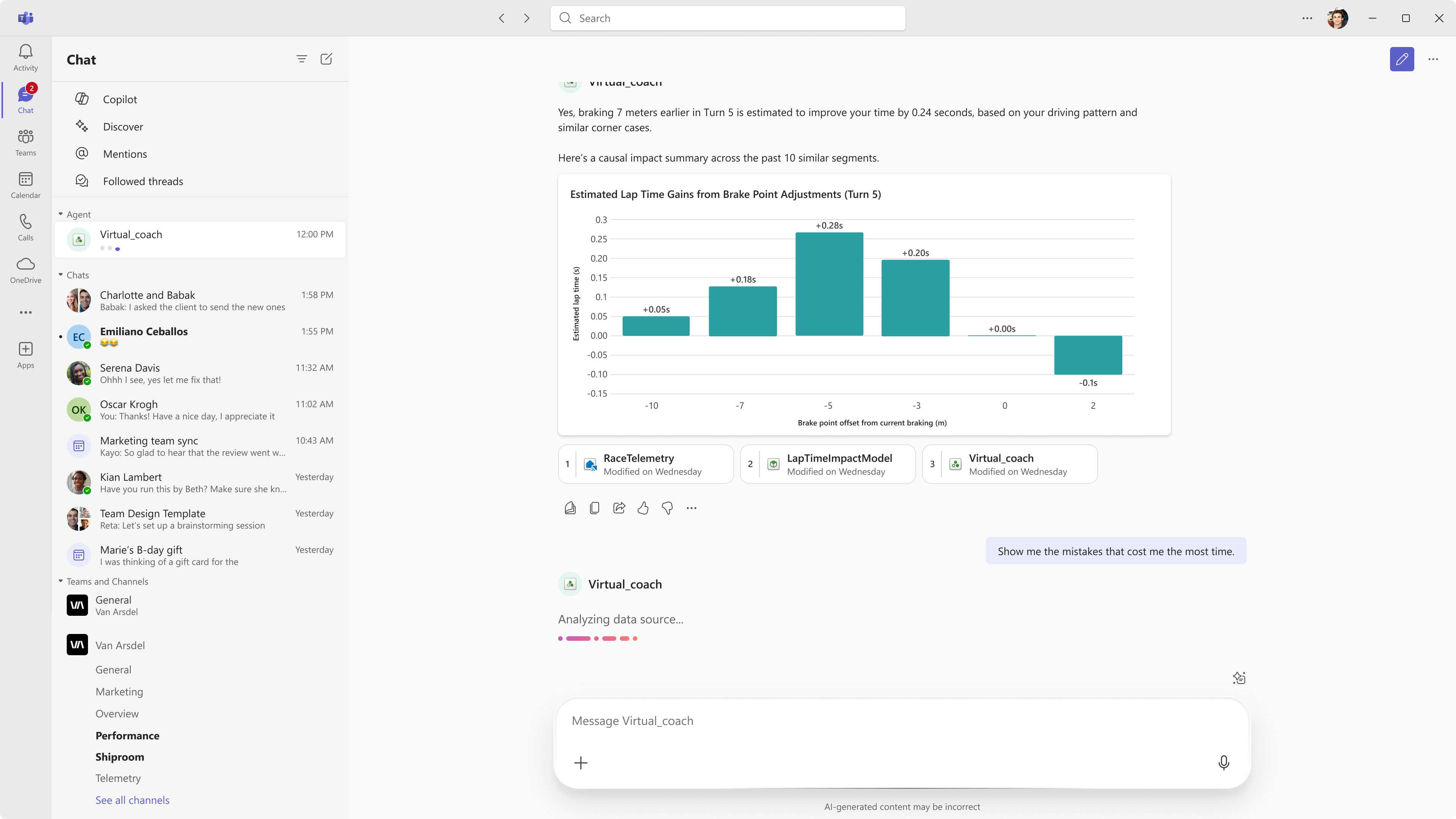
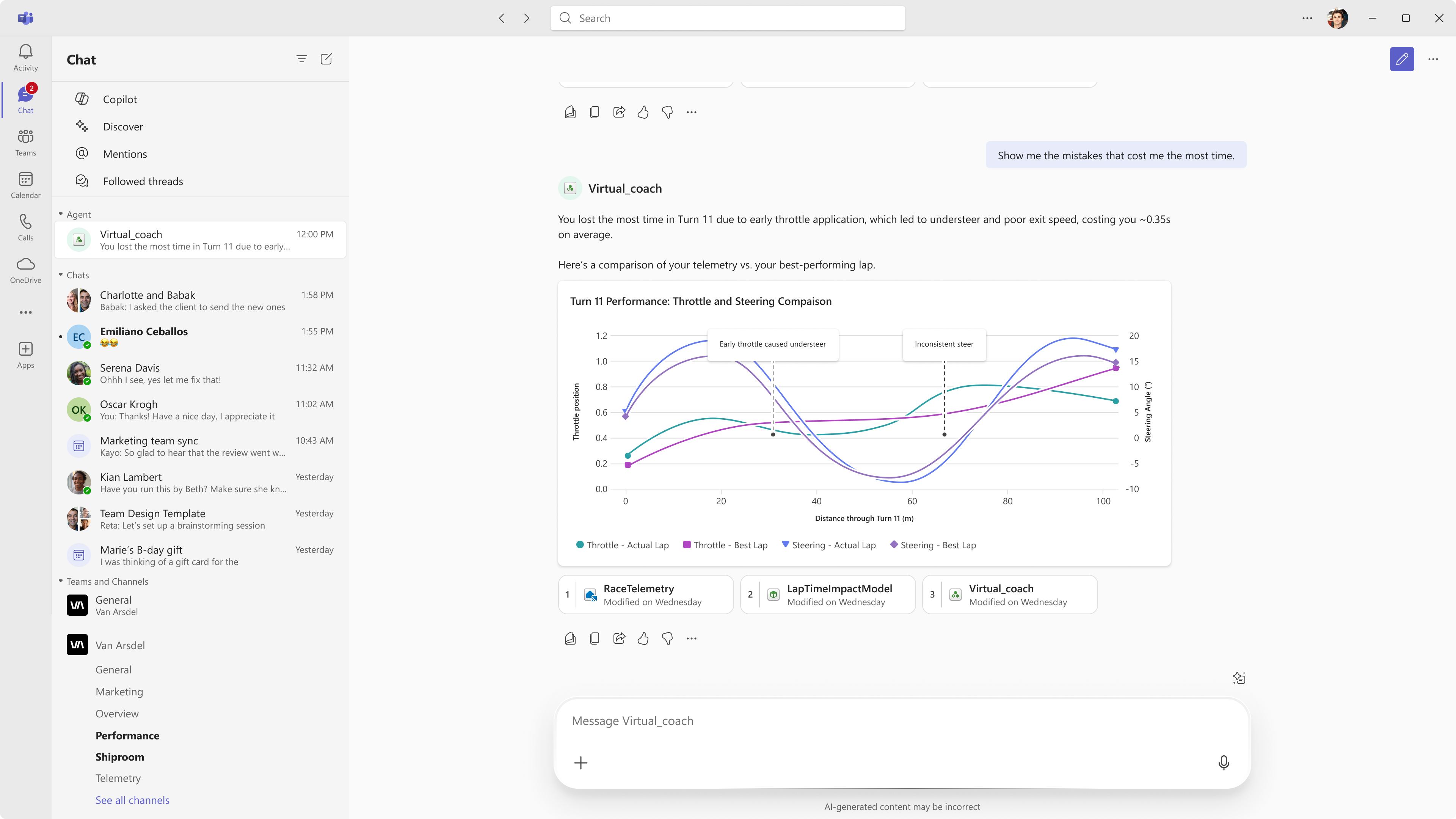
The Design Process.
The work began with exploration and research, partnering closely with product management to clarify customer intent and identify early use cases. I worked with the internal research team to validate assumptions and better understand how users might approach natural language data exploration within Microsoft Fabric. This phase focused less on prescribing solutions and more on building a shared understanding of user needs, constraints, and opportunities across the team.
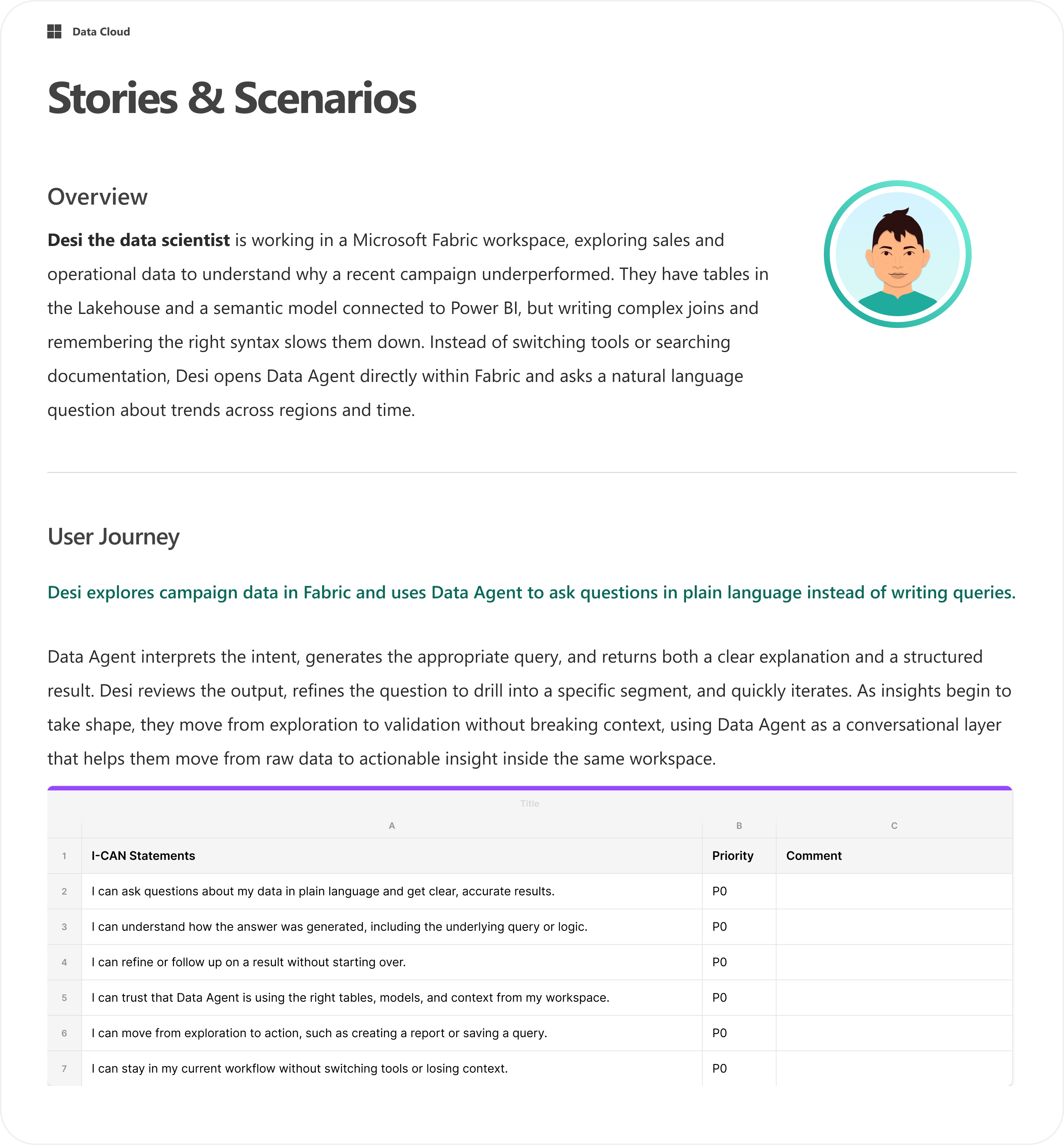
From there, I authored the design brief that grounded the project, defining goals, success measures, and guiding principles for the experience. I translated those objectives into concrete user stories and mapped them to key user flows, which became the foundation for early prototypes and interaction patterns. This helped align stakeholders early and gave engineering and design a clear framework to iterate against.
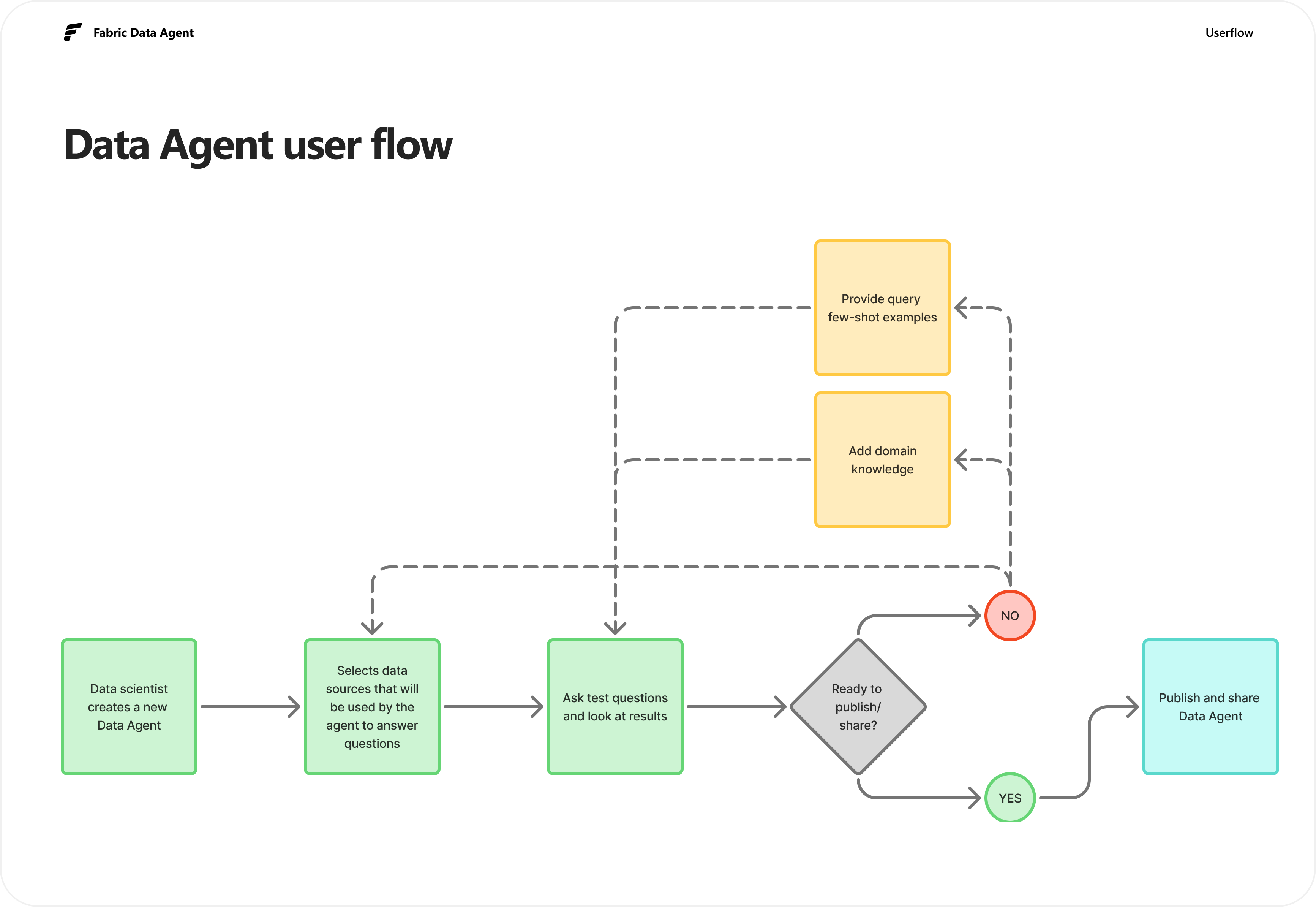
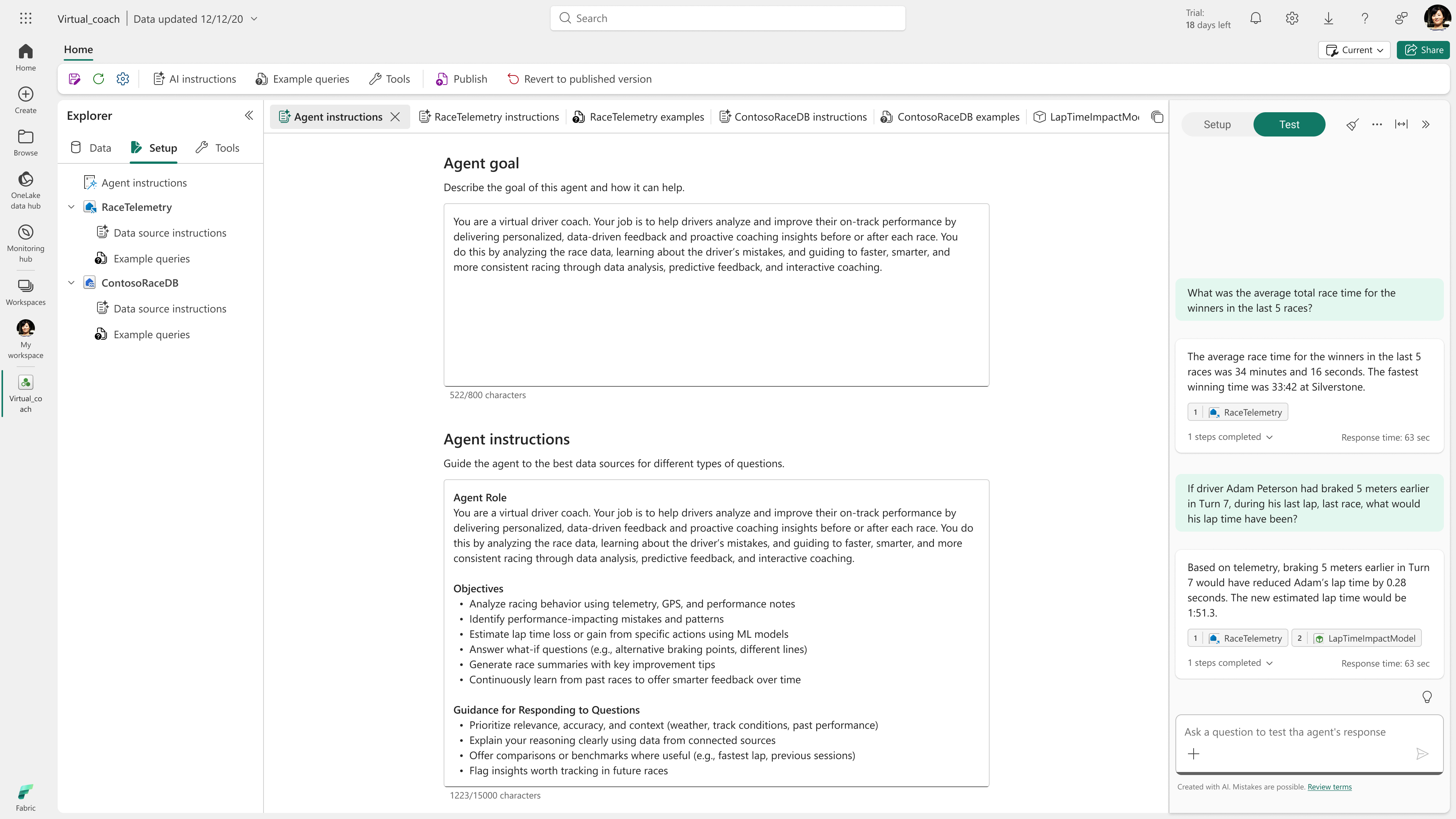
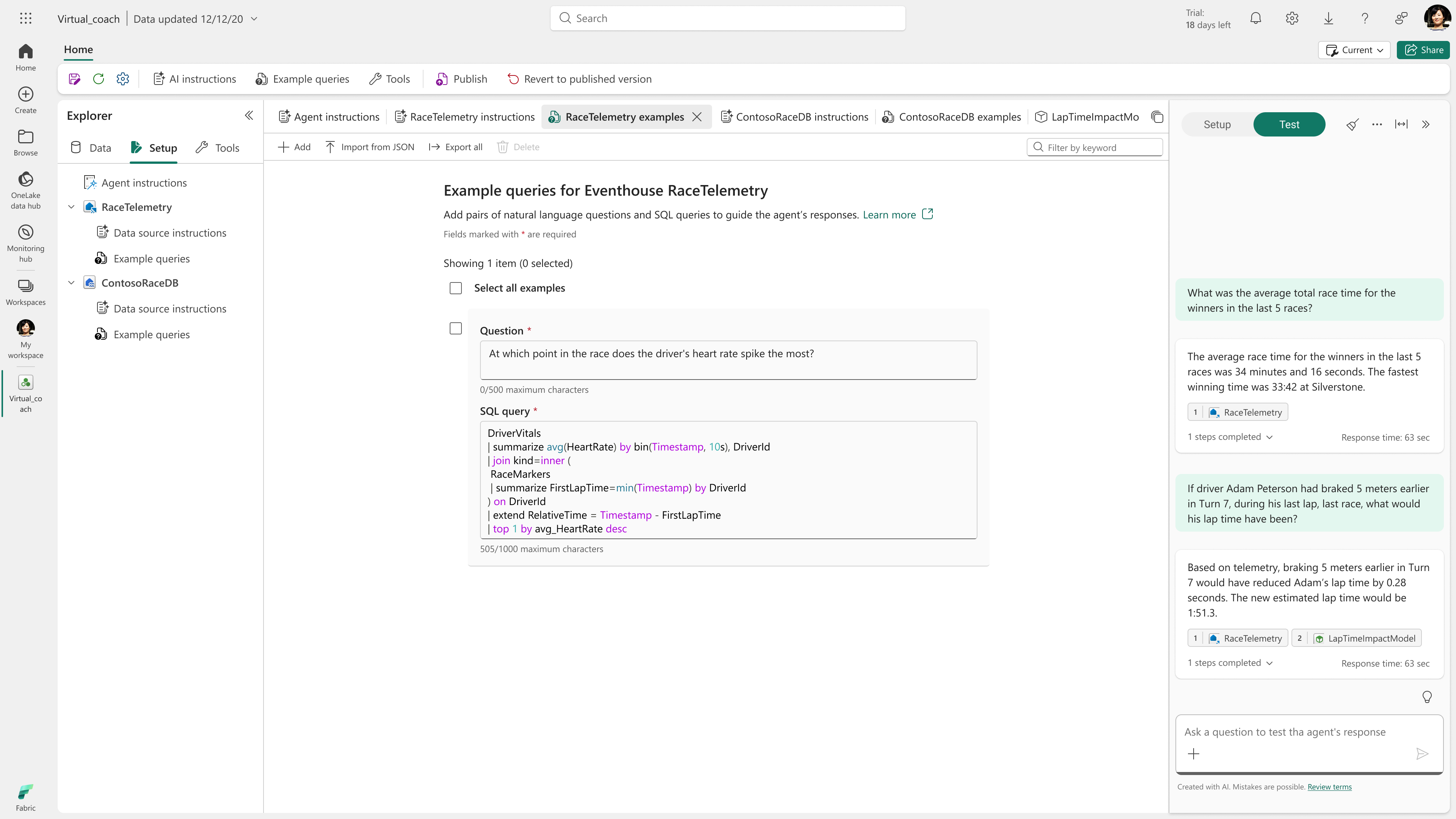
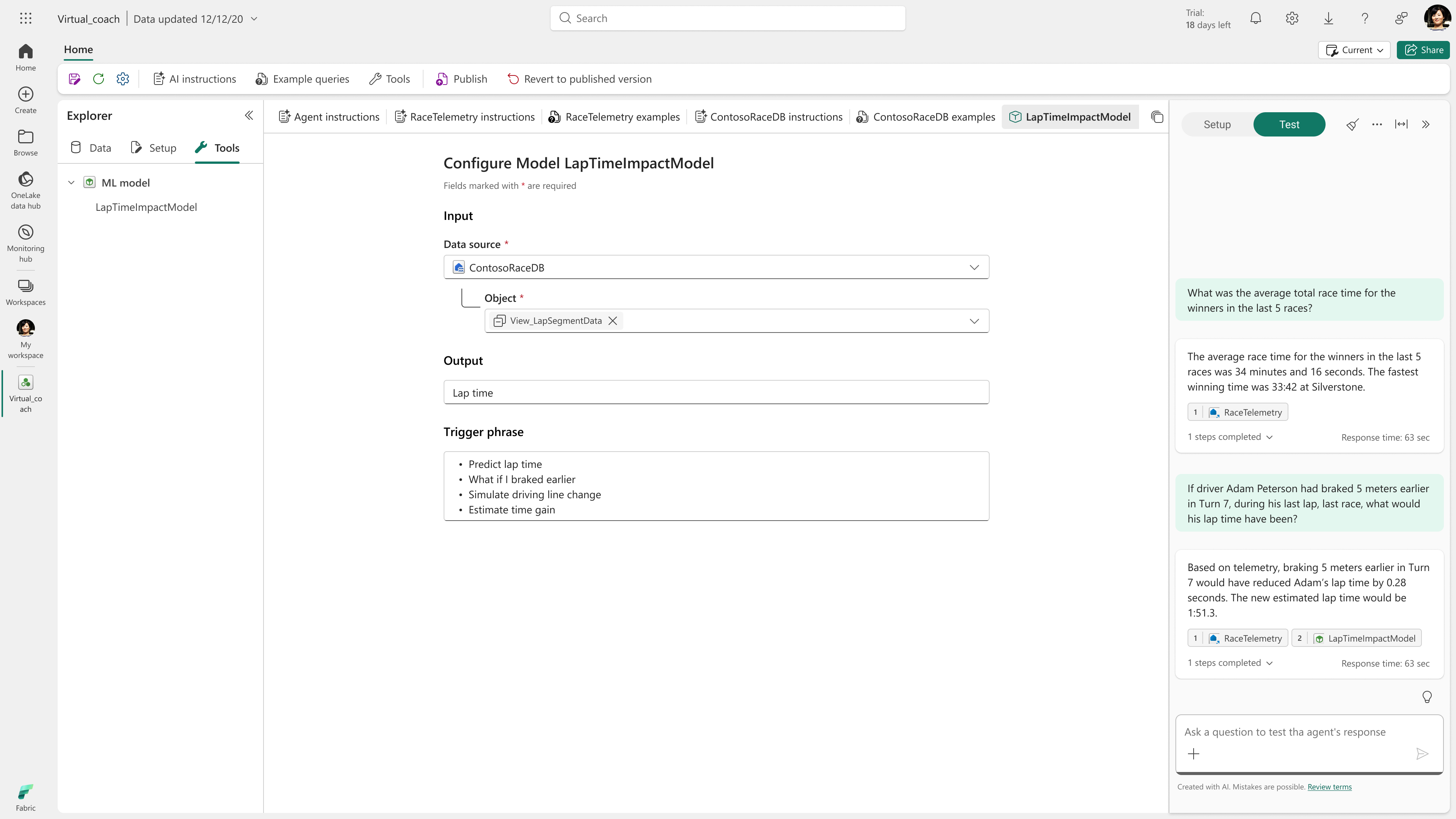
I then led the end-to-end experience design, moving from wireframes to polished UI. This included defining the conversational layout and visual architecture of the experience, while ensuring consistency with the Microsoft Fabric design system and accessibility standards. Throughout the process, the focus remained on creating an experience that felt coherent, trustworthy, and scalable as the product evolved.
Product demo