
Microsoft Fabric Copilot
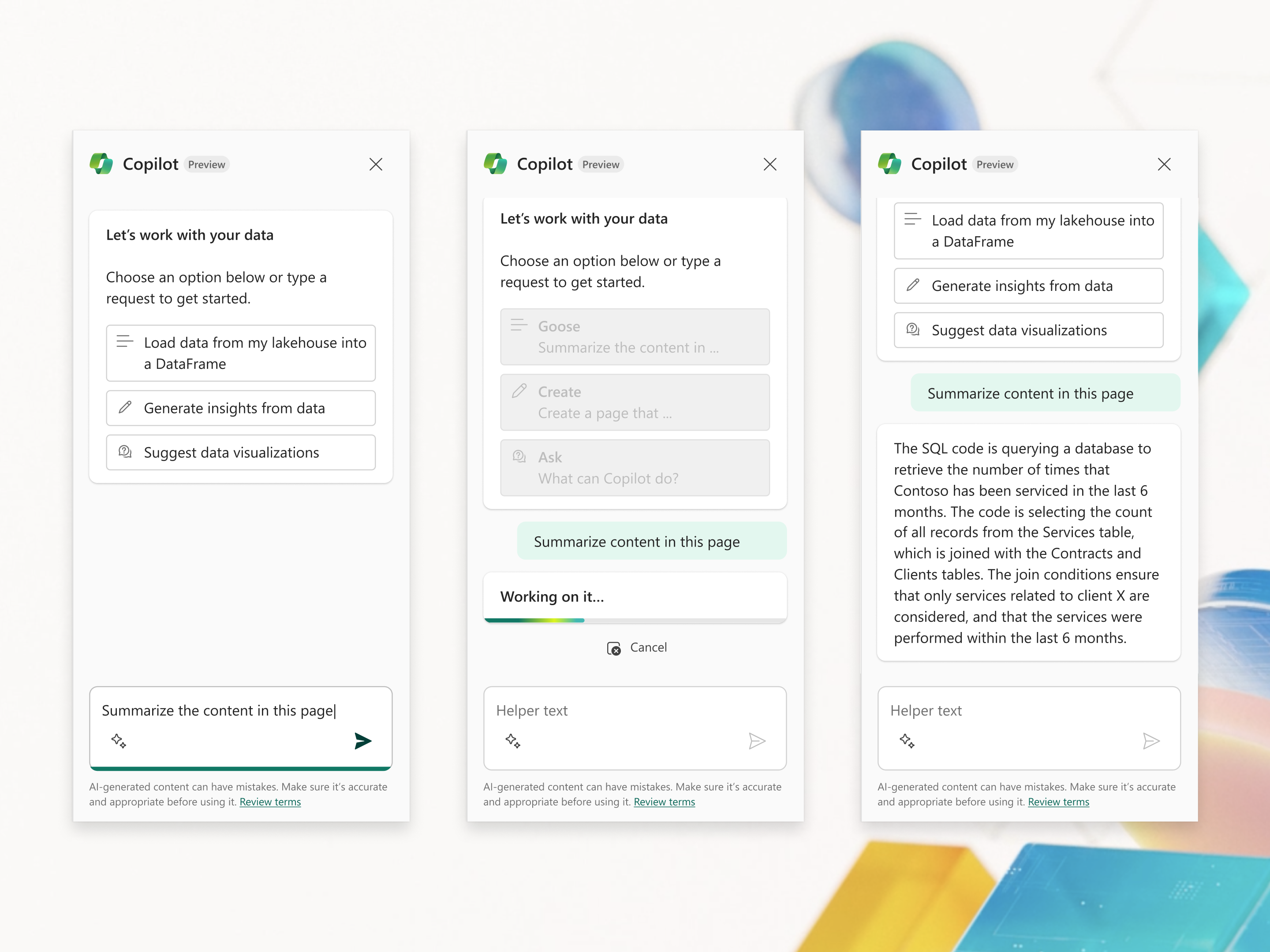
Fabric Copilot is an AI-assisted experience embedded across Microsoft Fabric that helps users explore, analyze, and act on data using natural language. It supports tasks like querying datasets, generating insights, and accelerating workflows across analytics, engineering, and BI tools, while maintaining transparency, trust, and user control.

The Challenge
Microsoft Fabric is a powerful but complex ecosystem. It brings together analytics, data engineering, BI, governance, and more into a single platform. The tools are diverse and deeply capable. They are also overlapping in purpose and interaction patterns, which can make it difficult for users to understand how the pieces fit together.
Many users move between experiences without a clear mental model of how data flows across the system. Even experienced practitioners can struggle to know which tool to use, how to navigate between surfaces, or how to translate intent into action.
The challenge was not just simplifying a single workflow. It was helping users operate confidently within a broad, interconnected environment.
Fabric Copilot was designed to help users put the pieces together. Instead of forcing people to adapt to each individual tool, Copilot provides an intent-driven layer that sits across the ecosystem. It helps users ask questions, navigate complexity, and move fluidly between capabilities while preserving the depth and power of the underlying platform.


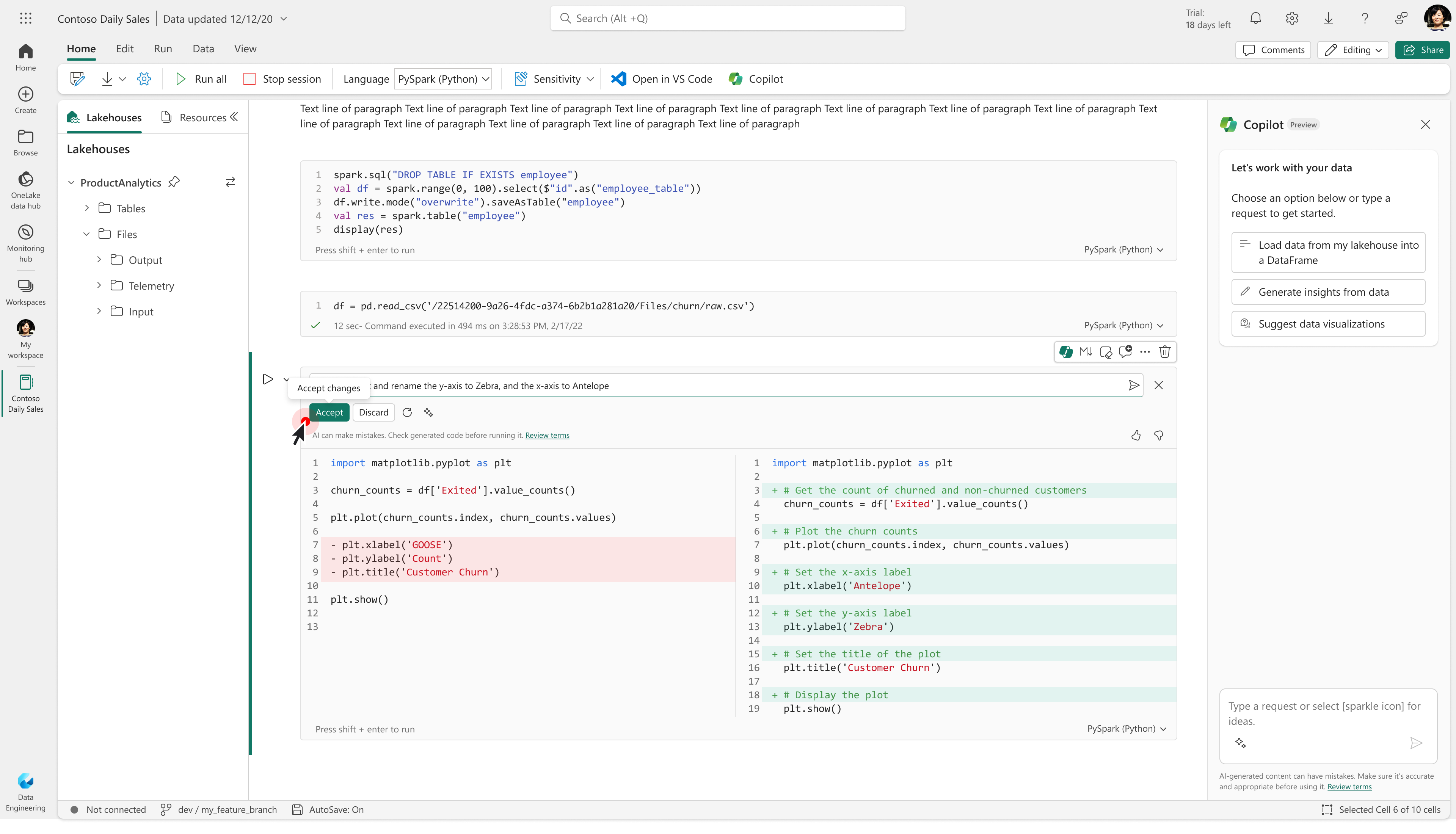
The Design Process.
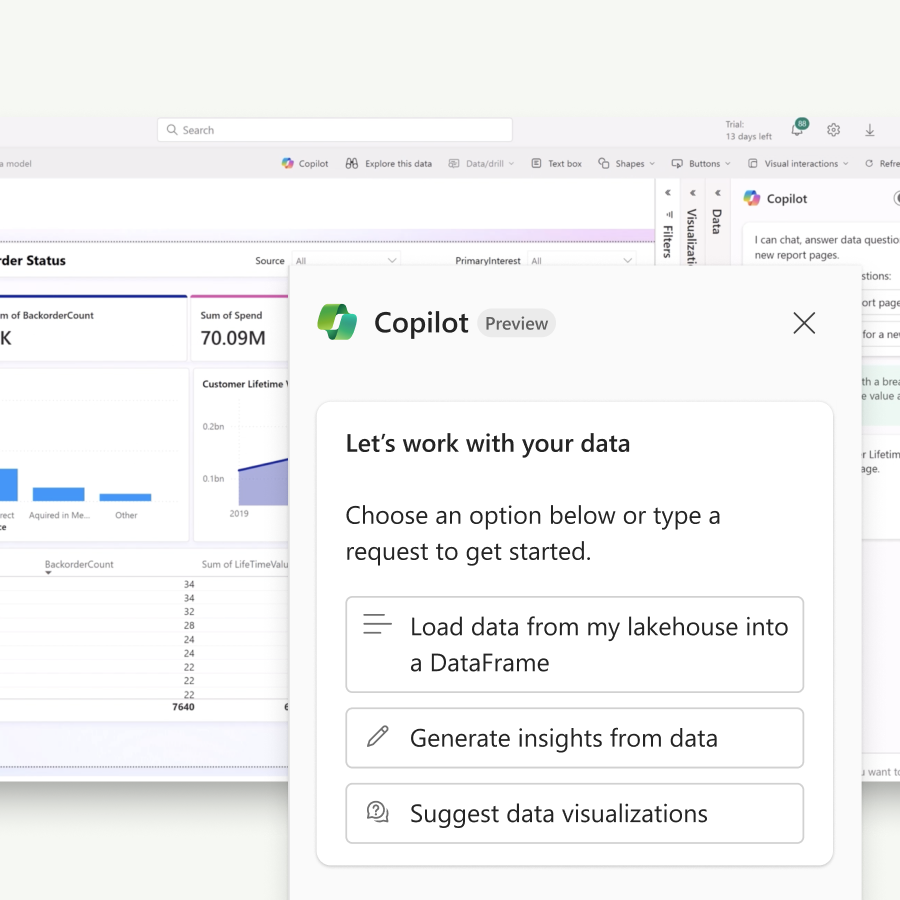
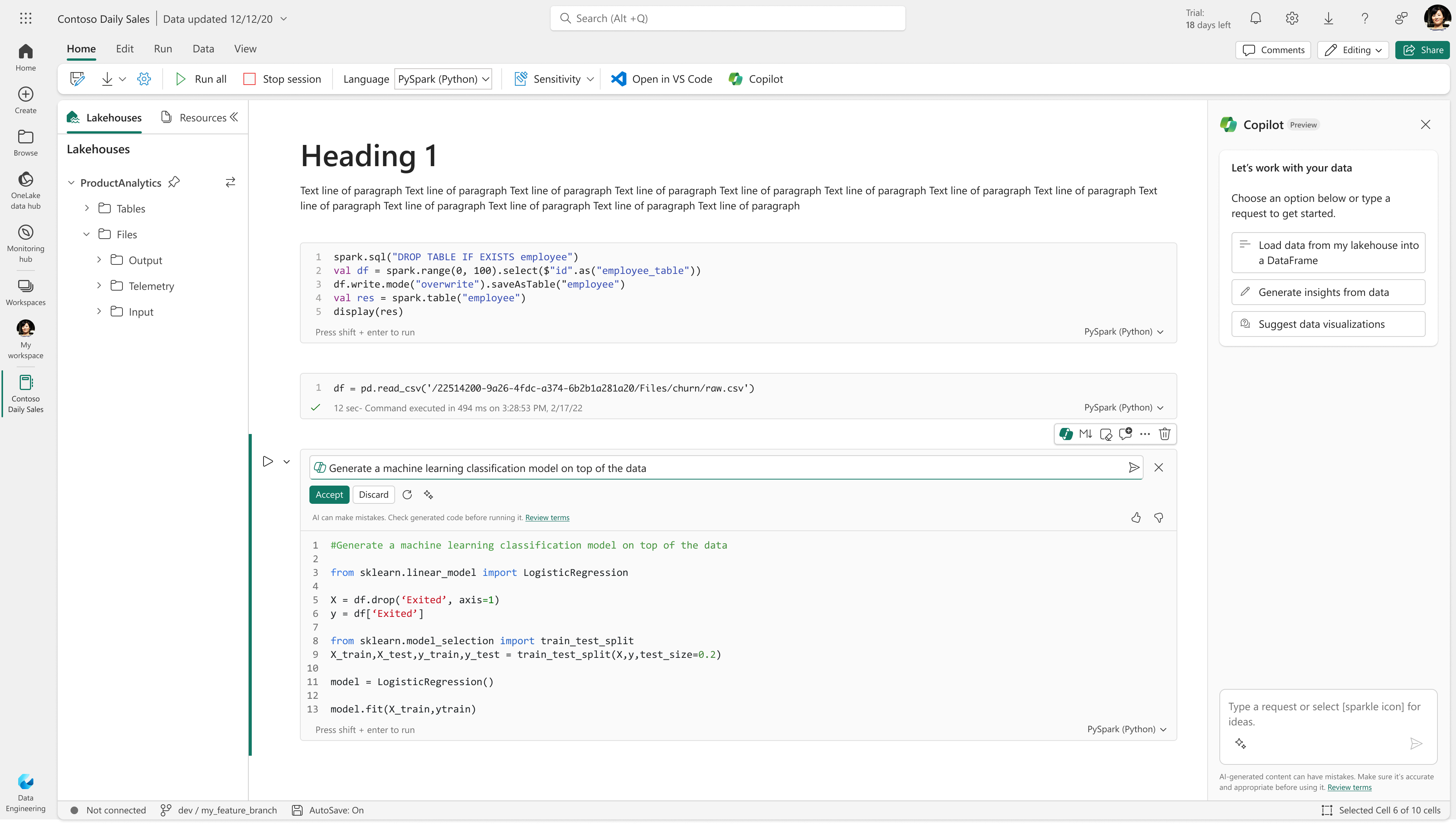
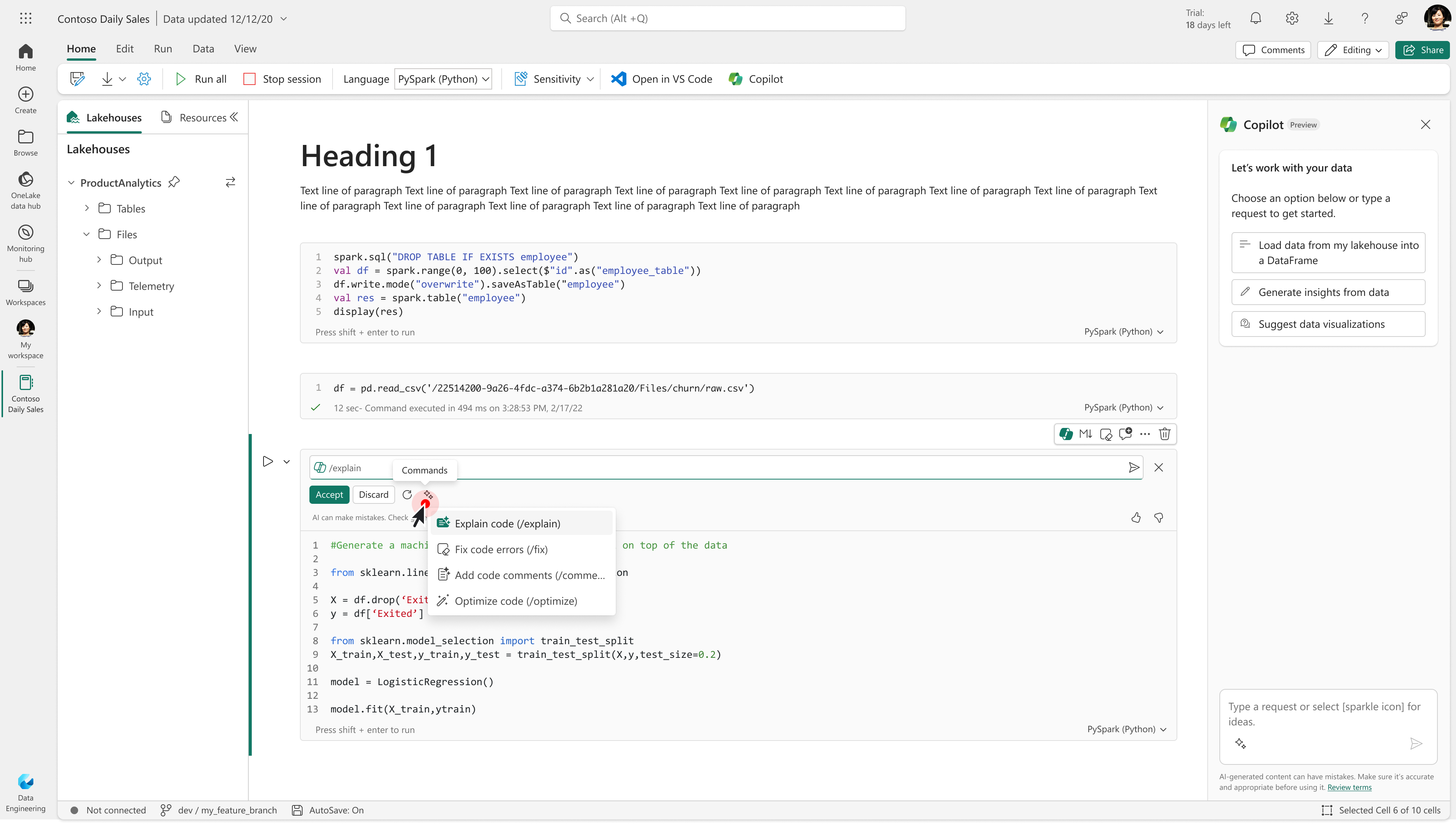
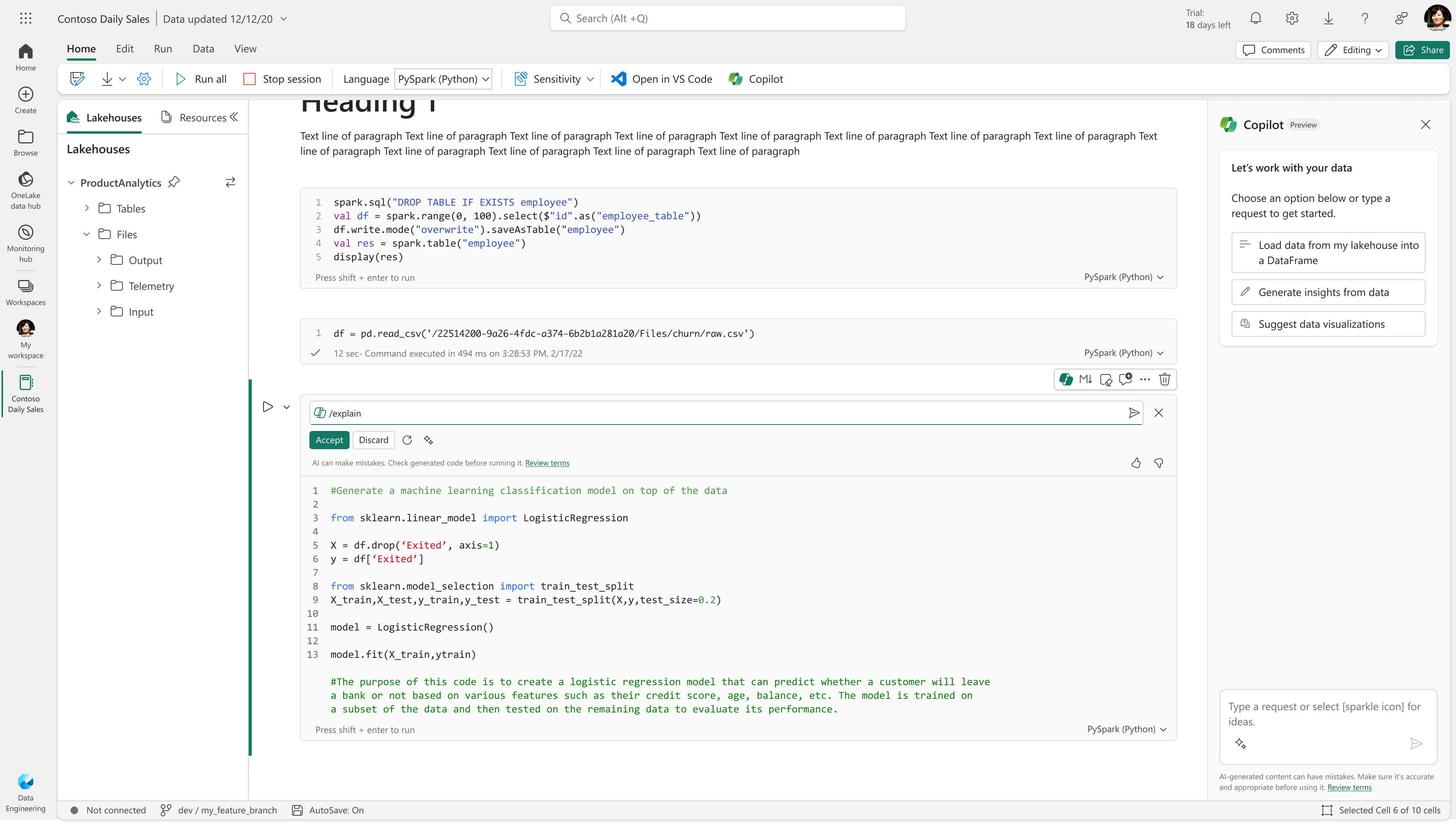
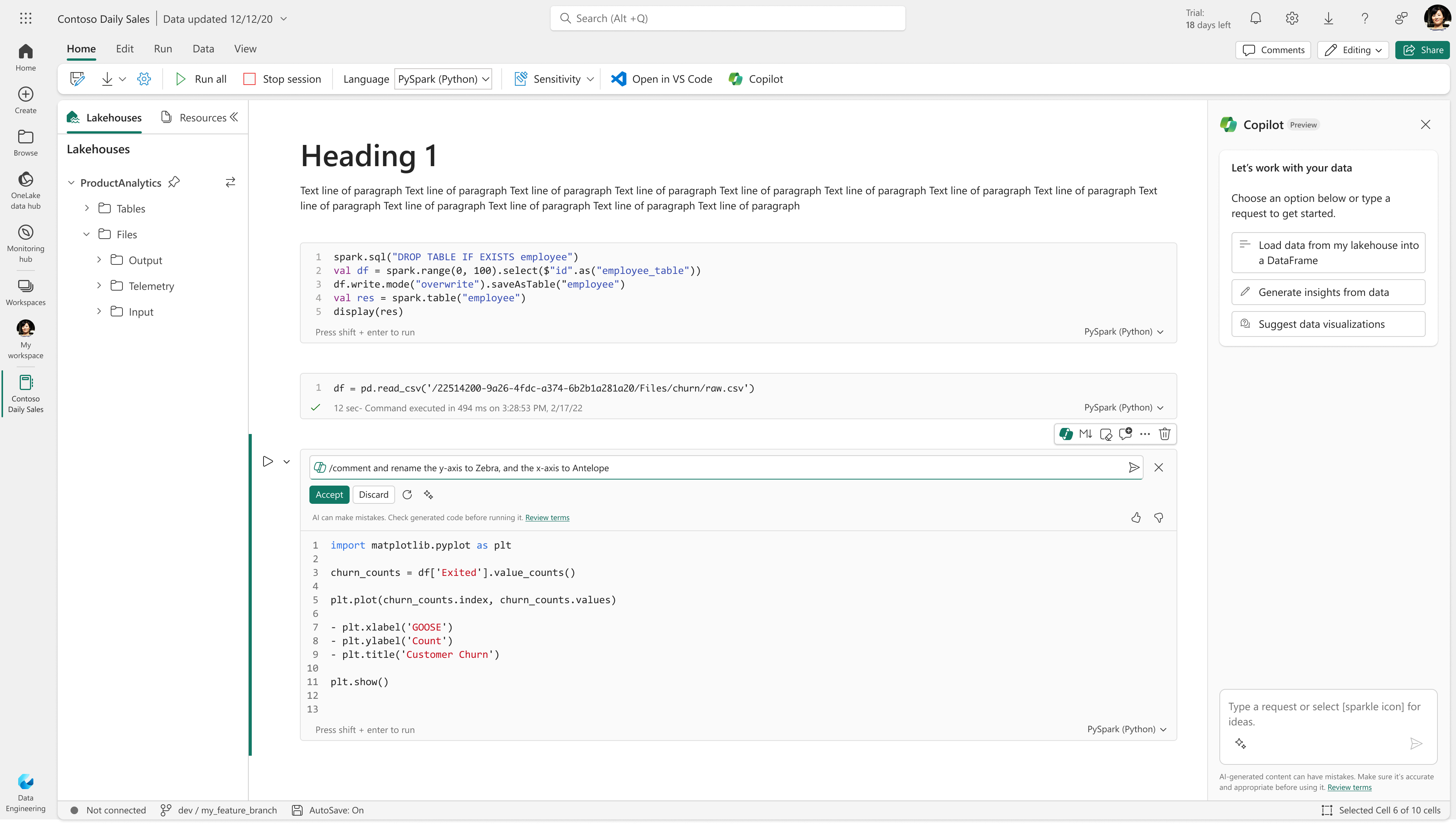
Analysts across Microsoft Fabric often relied on documentation, saved snippets, and trial and error to complete routine transformations or generate visualizations. The friction was not in knowing what they wanted to analyze. It was in translating intent into correct syntax and navigating between surfaces as their work evolved. That observation shaped the design problem. The goal was not to replace existing tools. It was to reduce context switching and support users directly within their workflow. I began by mapping how analysts moved through different stages of work. Exploration might start in a notebook, shift into reporting, and later require query refinement or modeling. These transitions exposed where intent was lost and where users had to mentally reorient themselves.
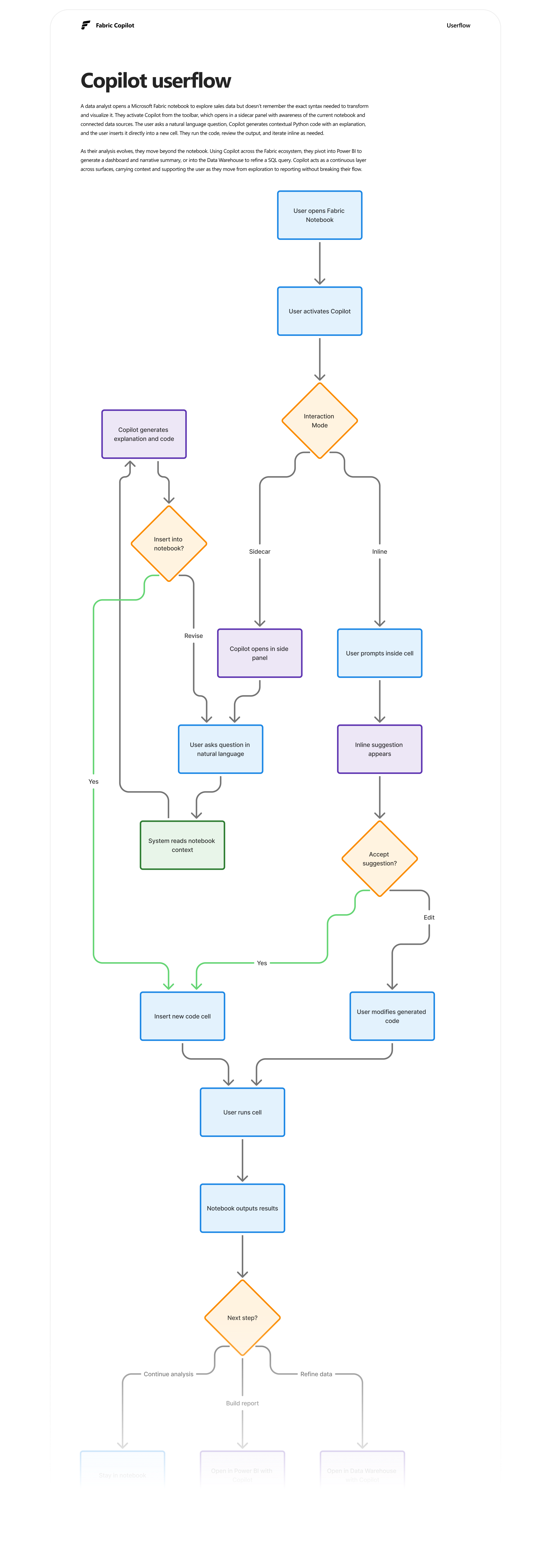
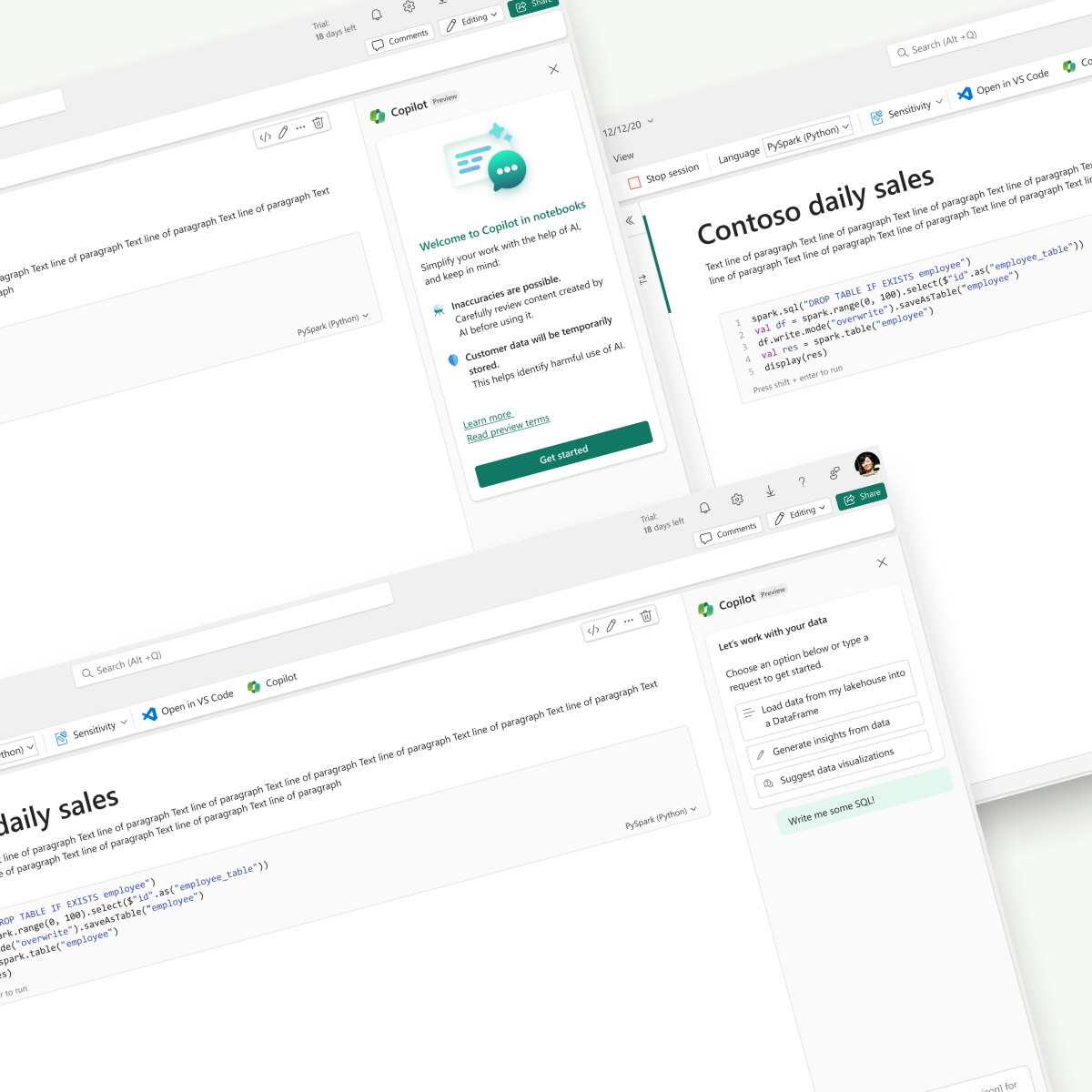
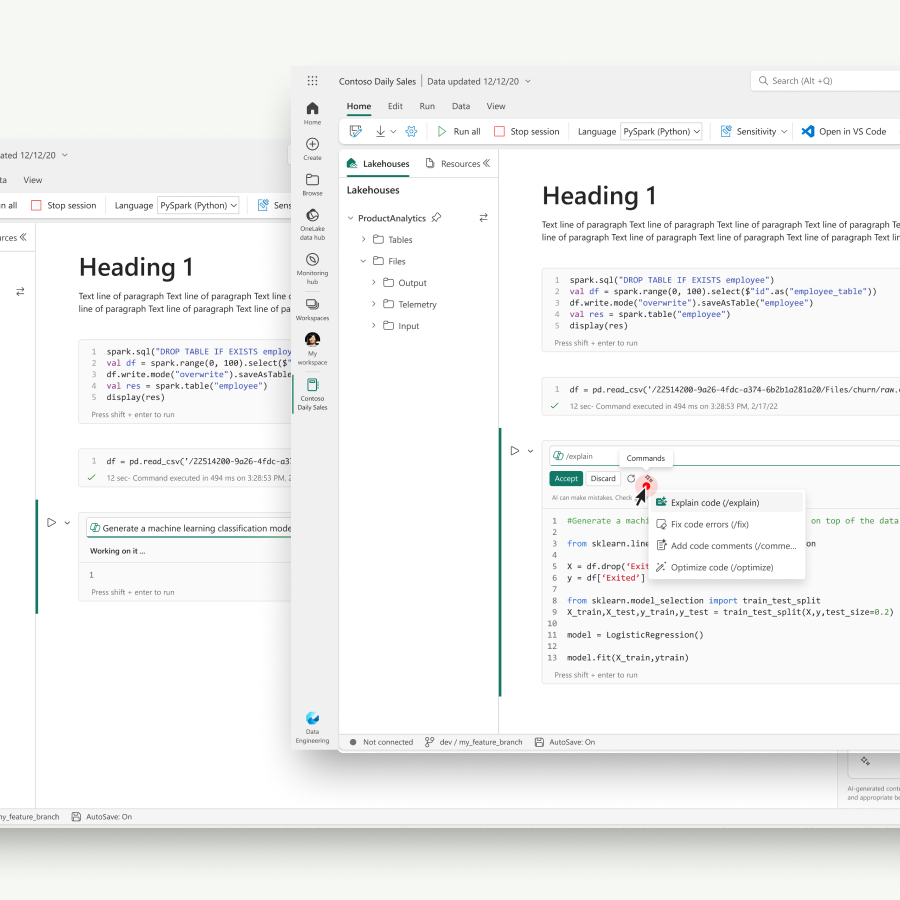
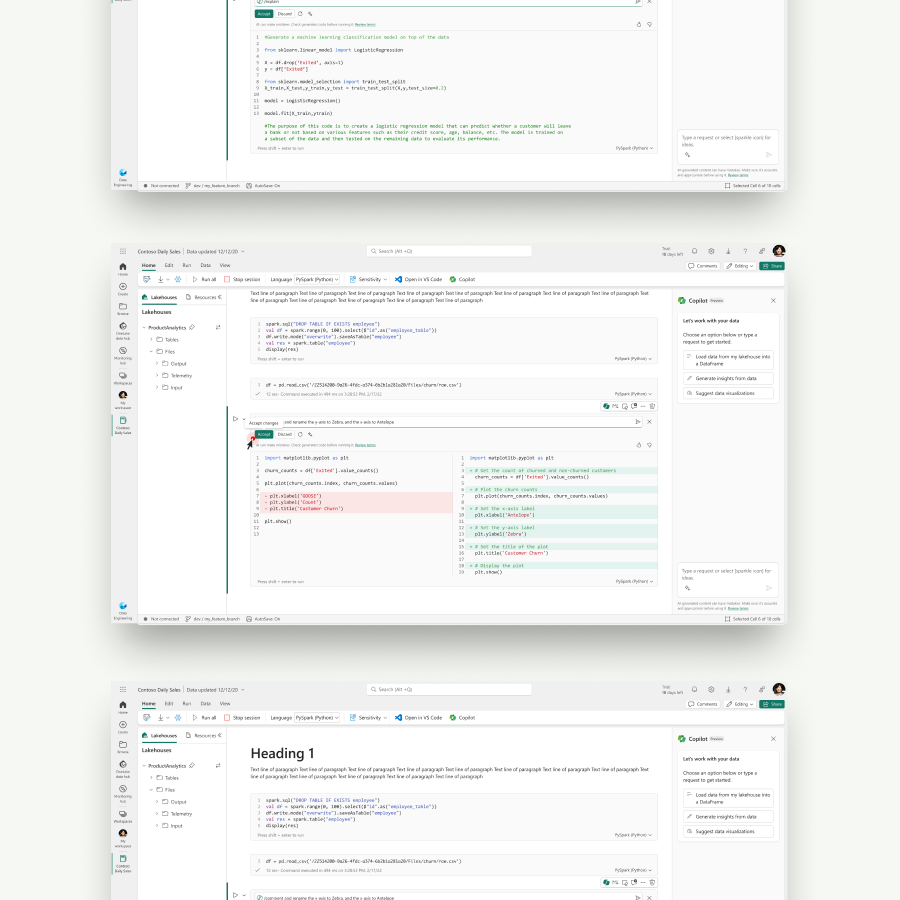
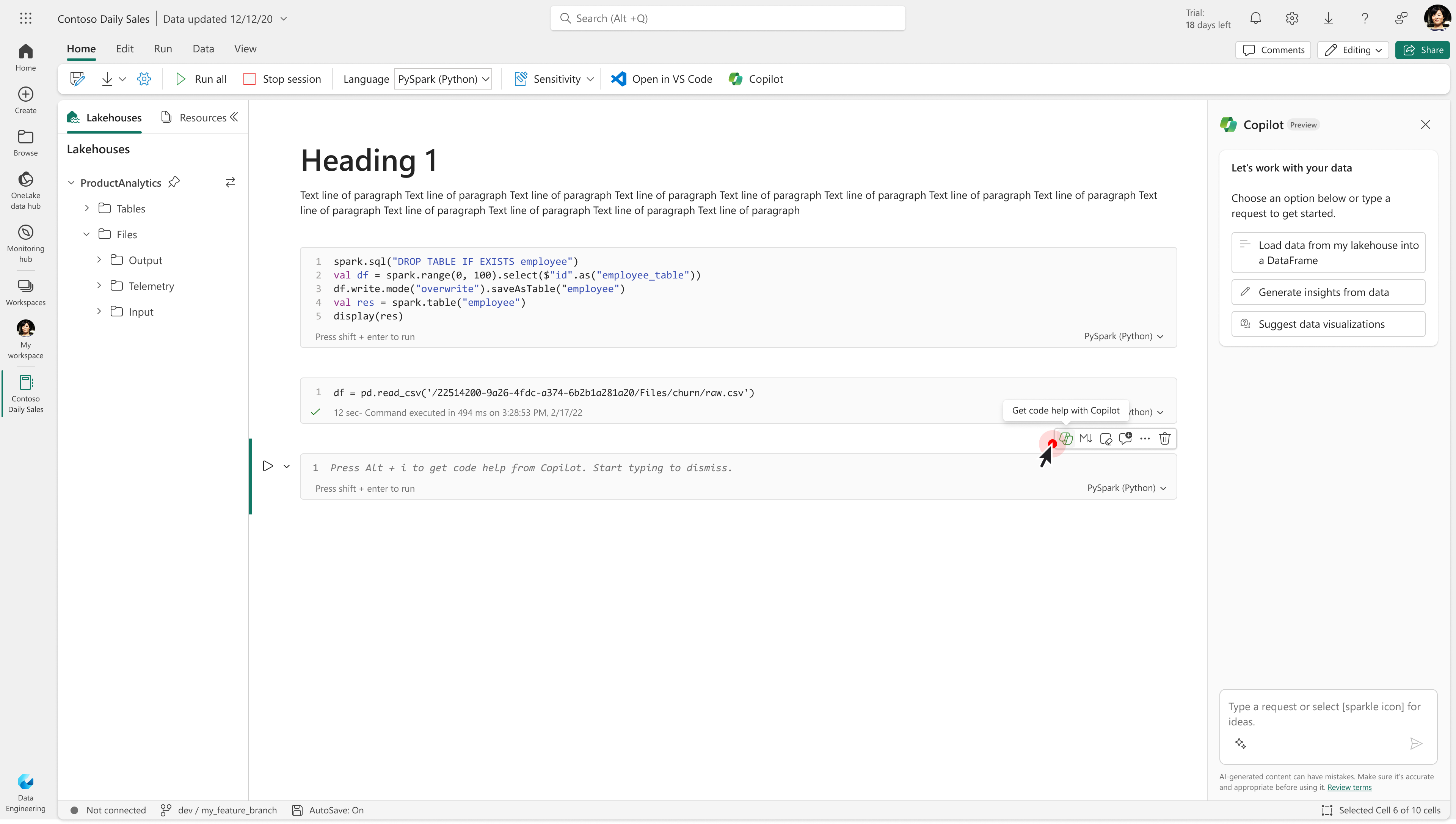
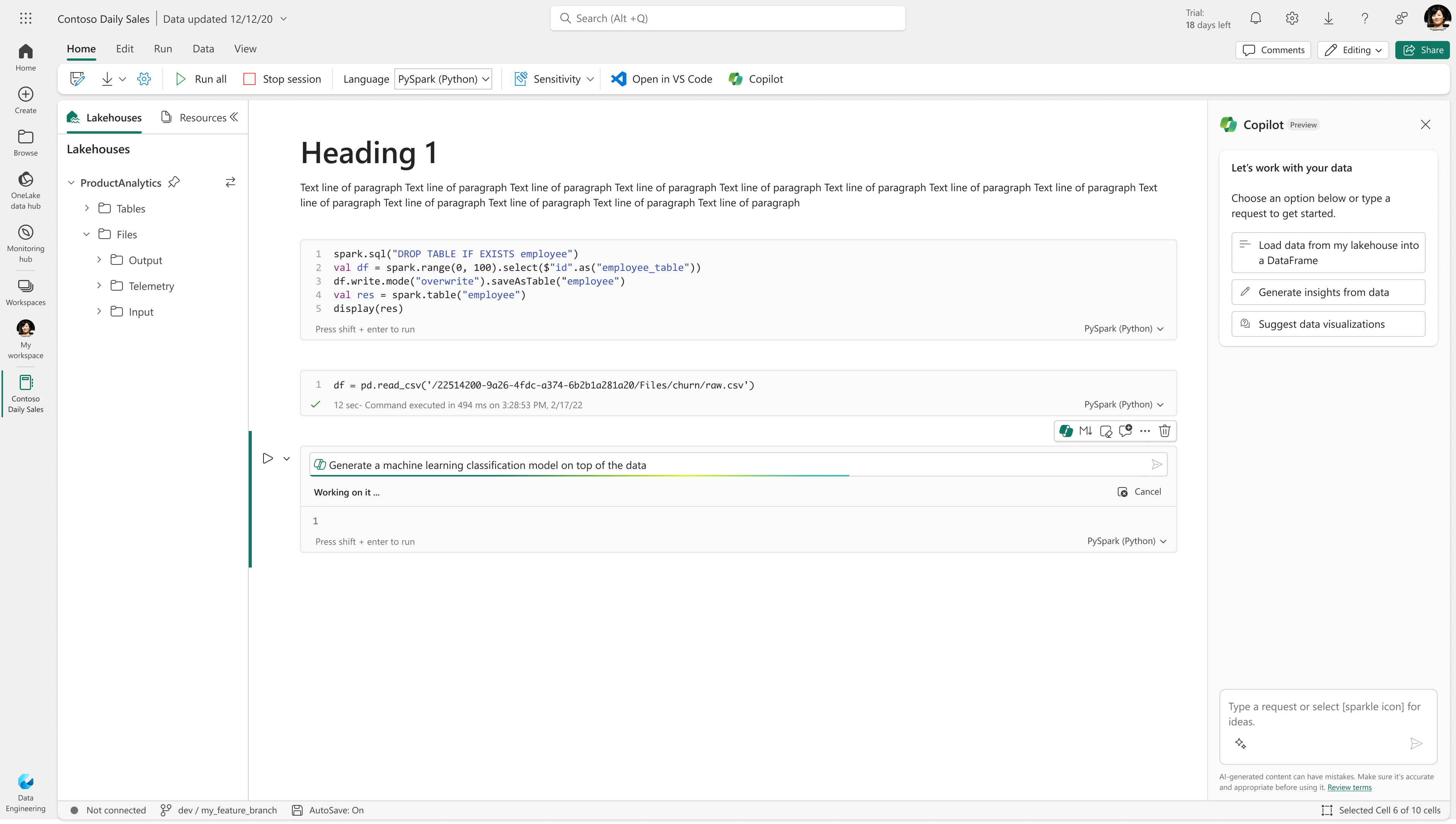
From there, I focused on defining how Copilot would be invoked and how it would appear within existing surfaces. We explored placement options before aligning on patterns that preserved the primary canvas and introduced AI assistance alongside it.
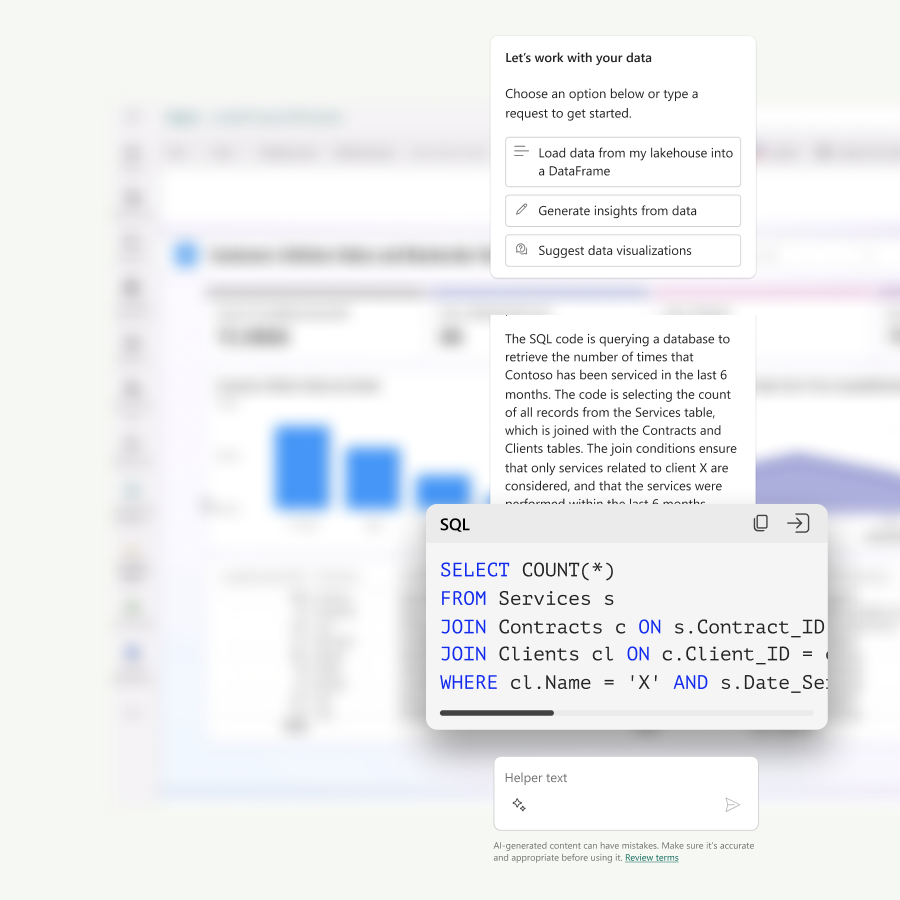
As the interaction model matured, I partnered closely with platform designers to formalize Copilot patterns inside the Fabric design system. This included defining shared architecture for the sidecar, response formatting standards, spacing and hierarchy rules, and reusable components that could scale across workloads. Rather than solving placement independently within each product surface, we worked to codify Copilot as a system-level pattern. This ensured consistency as it expanded into additional contexts and reduced fragmentation across teams.
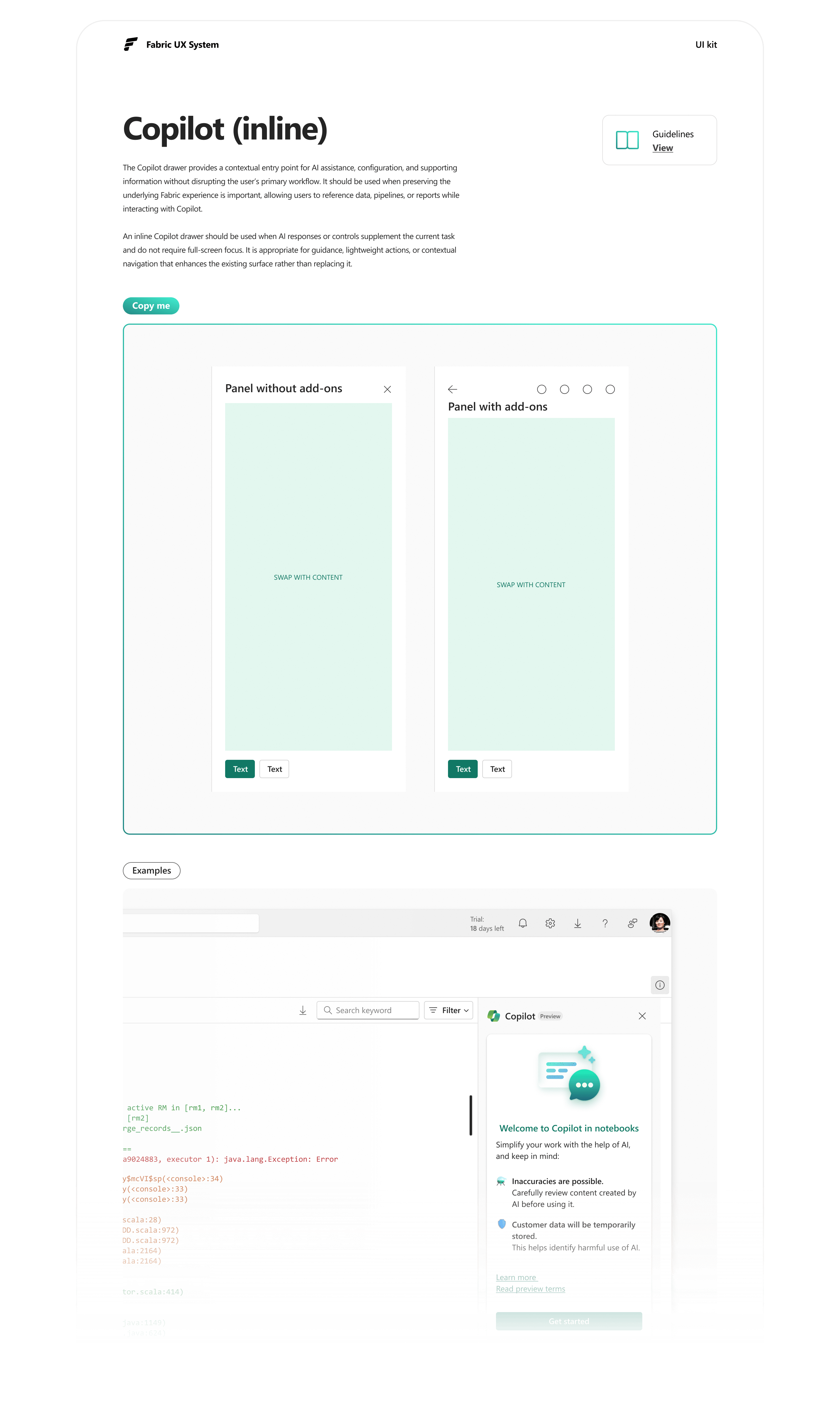
Throughout development, we iterated on interaction details, presentation layer consistency, and cross-surface behavior. Earlier assumptions were revisited as Copilot scaled into additional contexts. The goal remained consistent: support user intent without breaking the flow of work.
The result was an AI layer integrated into existing workflows and formalized within the Fabric design system, allowing it to scale across the platform with consistency and clarity.
Product Demo