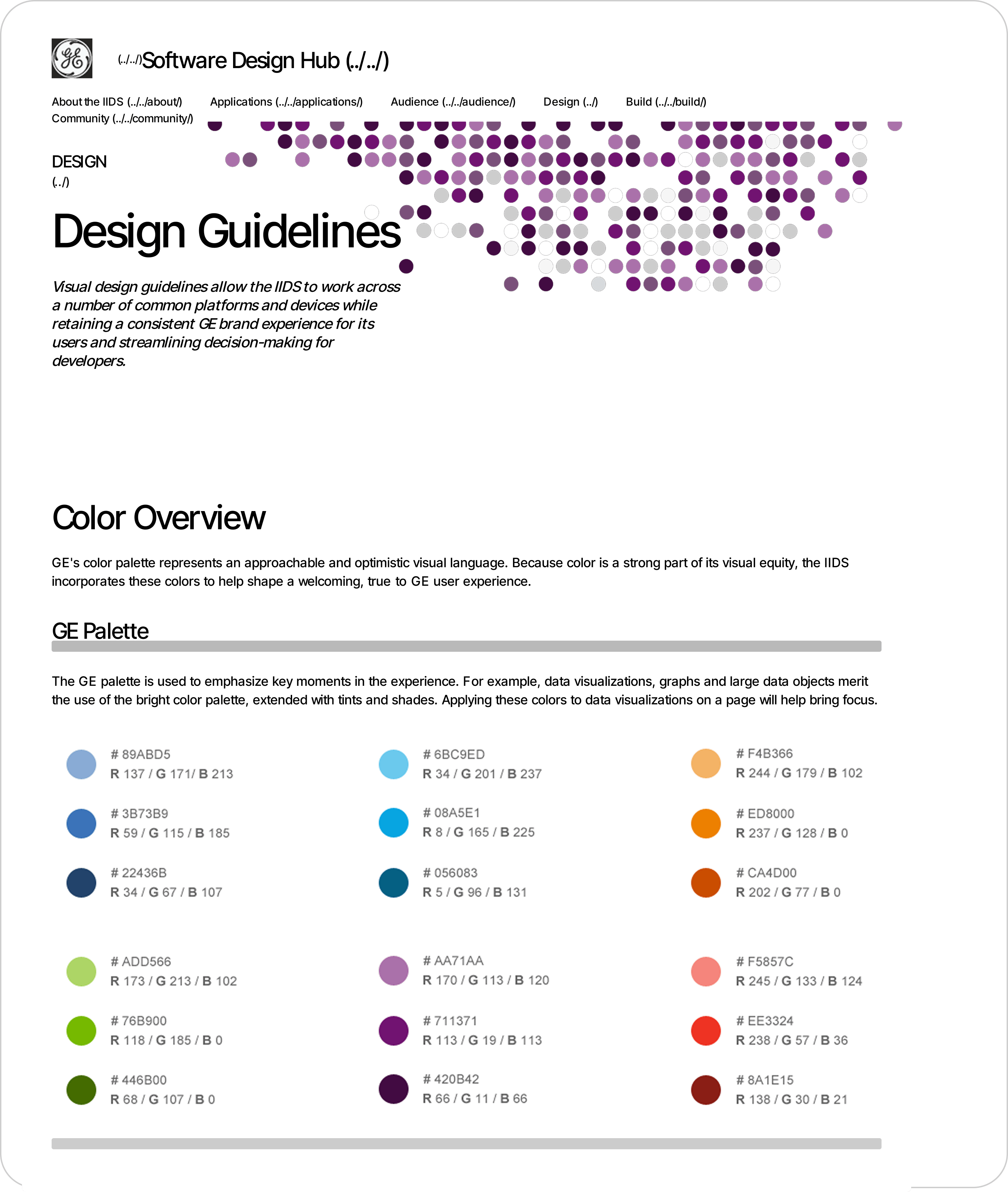
GE Software
GE Software was the digital arm of General Electric’s Industrial Internet vision. The site introduced a bold shift: from hardware manufacturer to software-driven industrial innovator. It framed connected machines, cloud analytics, and predictive intelligence as the future of energy, aviation, and manufacturing. My role was to design the first public-facing experience for this new vertical, translating a complex technical strategy into a clear, credible narrative. The work positioned GE not just as an industrial giant, but as a technology company redefining how physical systems generate insight and value.

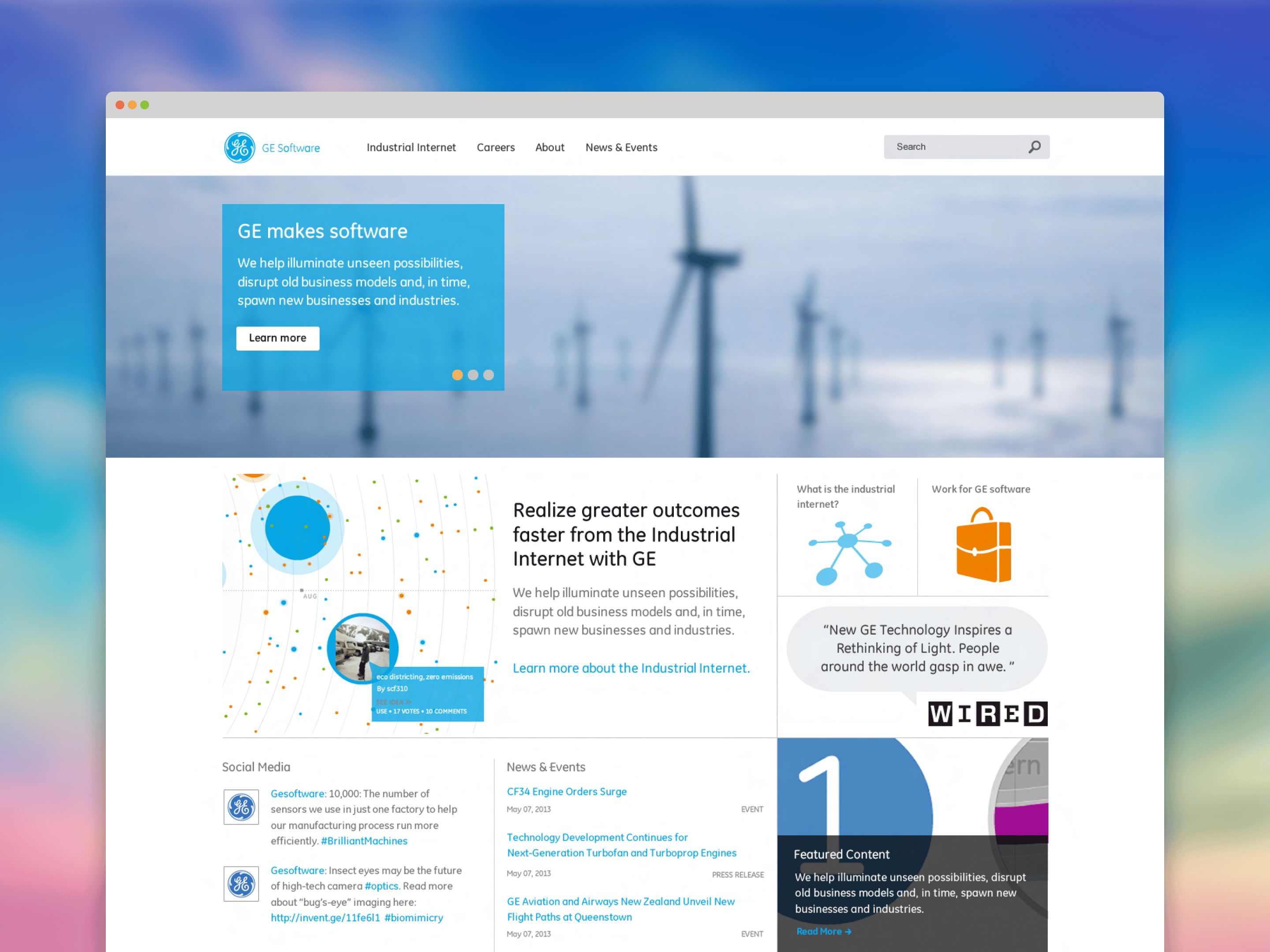
The Challenge
The challenge was to introduce an entirely new business identity inside one of the world’s largest industrial companies. GE Software represented a strategic shift, but the language, category, and expectations around industrial cloud platforms were still forming. The site had to communicate credibility to engineers and enterprise buyers while signaling transformation to investors and media. It needed to explain what the Industrial Internet meant in practical terms and why GE belonged in that conversation.
The work also required bringing structure to something that did not yet have one. Multiple product lines, industries, and technical capabilities were being unified under a single digital strategy. There was no clear narrative model to follow. We had to define the hierarchy, terminology, and interaction patterns while designing the visual system, creating a foundation that future marketing, sales, and product teams could extend.


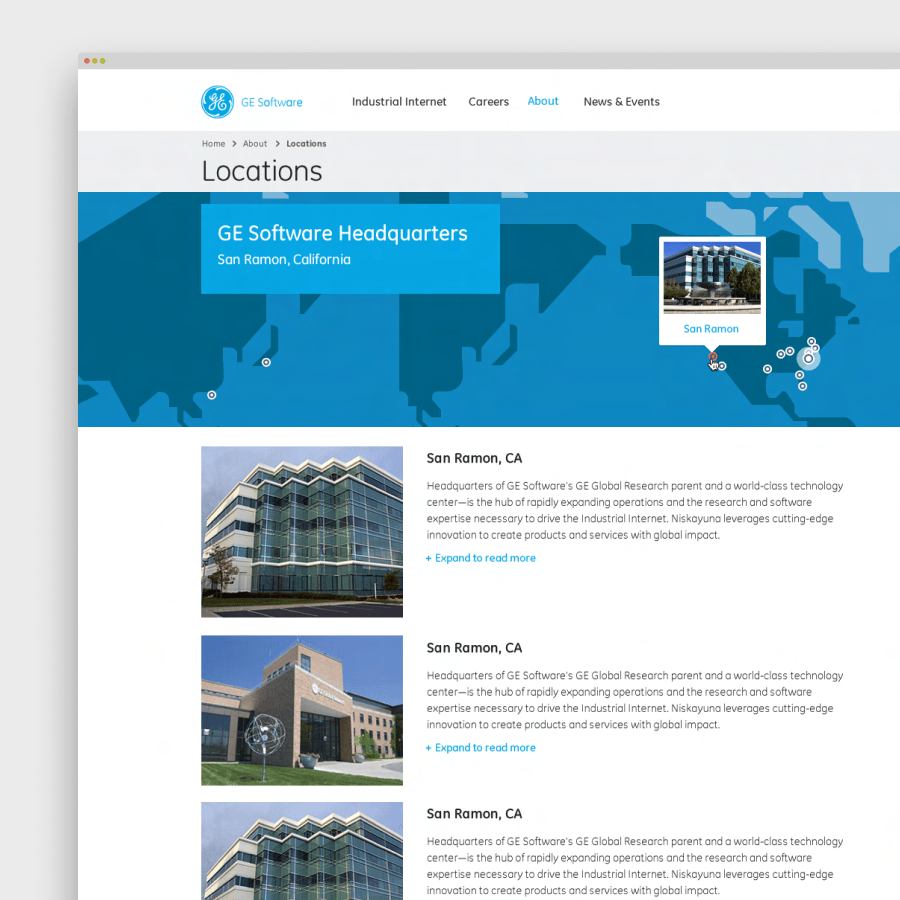
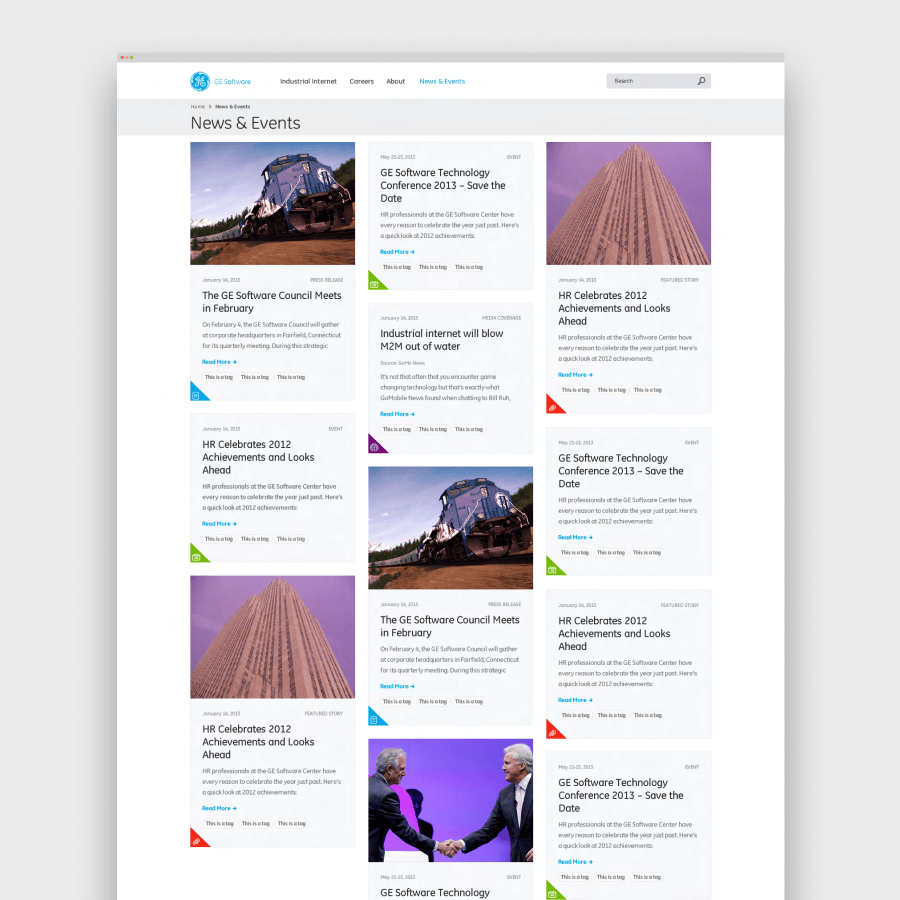
The Design Process.
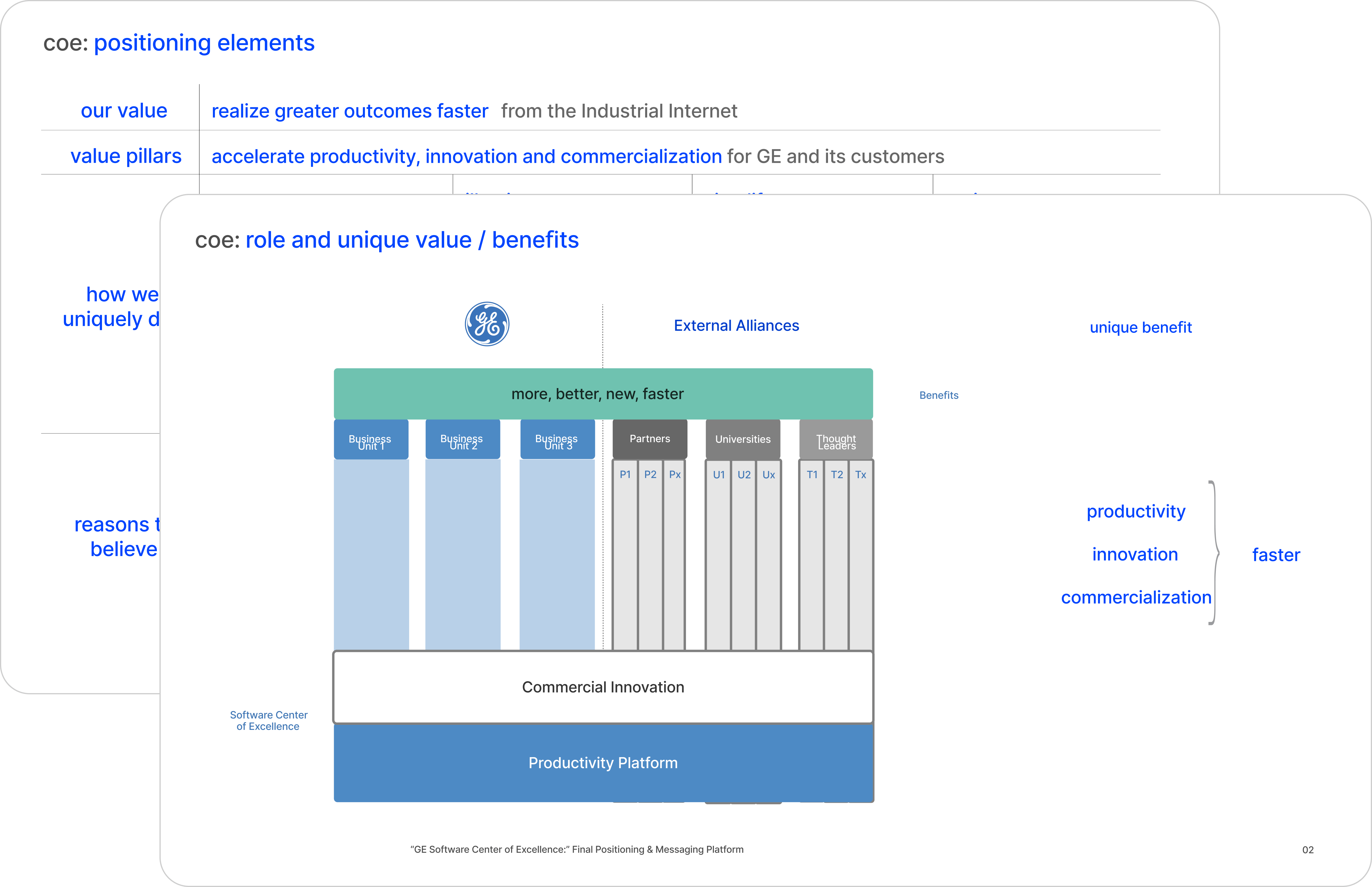
The work began with alignment. The GE marketing team provided a detailed creative brief outlining the business objectives, audience segments, and messaging priorities for the new GE Software vertical. The brief made it clear this was more than a launch site. It was a signal to the market about GE’s long-term digital strategy. My role was to translate that strategic intent into a digital structure that could support both storytelling and product depth.
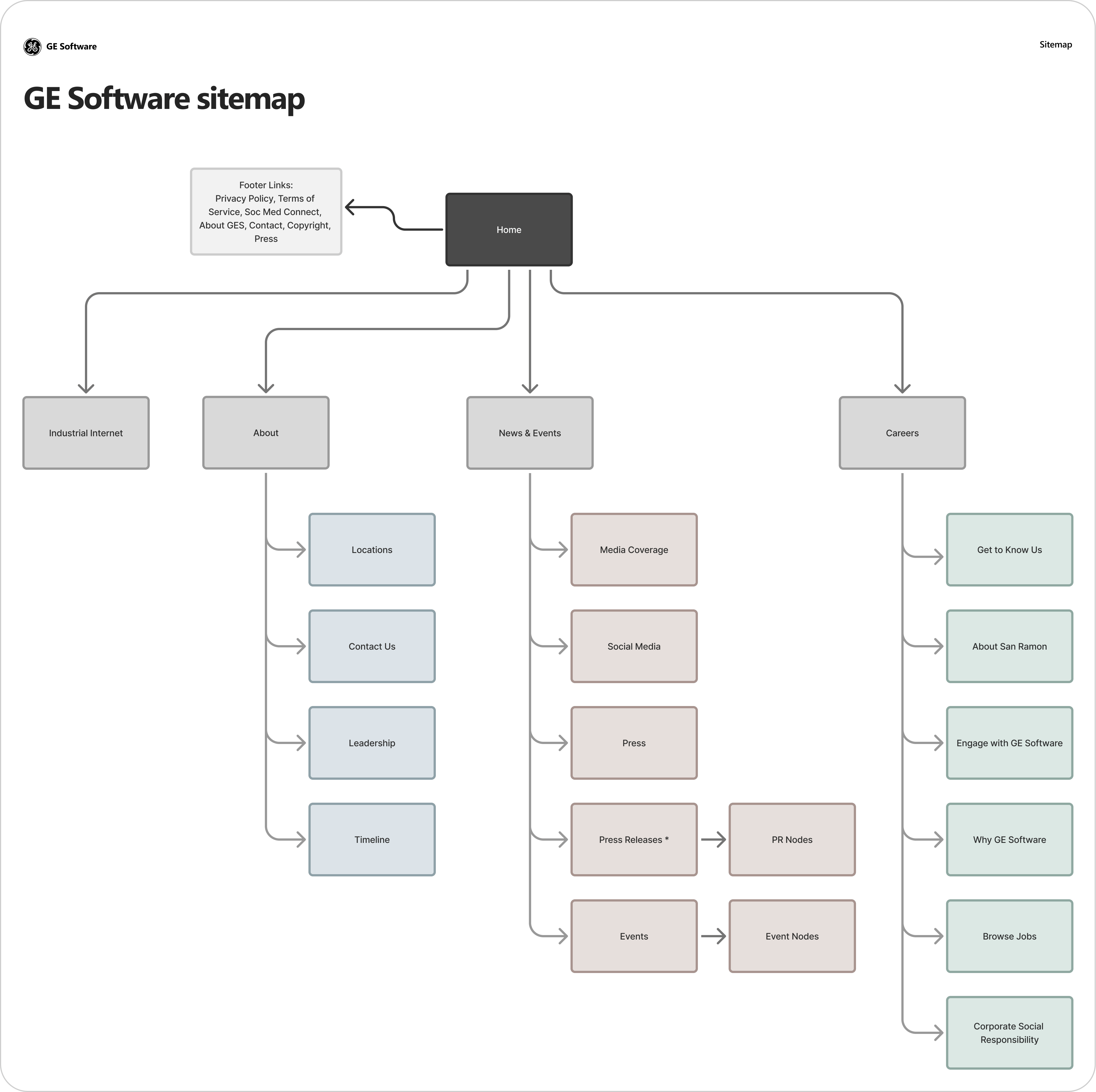
From there, I moved into information architecture. The challenge was to organize a portfolio that spanned multiple industries, product capabilities, and emerging terminology. I developed a sitemap that clarified primary navigation, product groupings, and supporting content layers. The goal was to make the Industrial Internet vision understandable without flattening its complexity. This structure became the backbone for all subsequent design decisions.
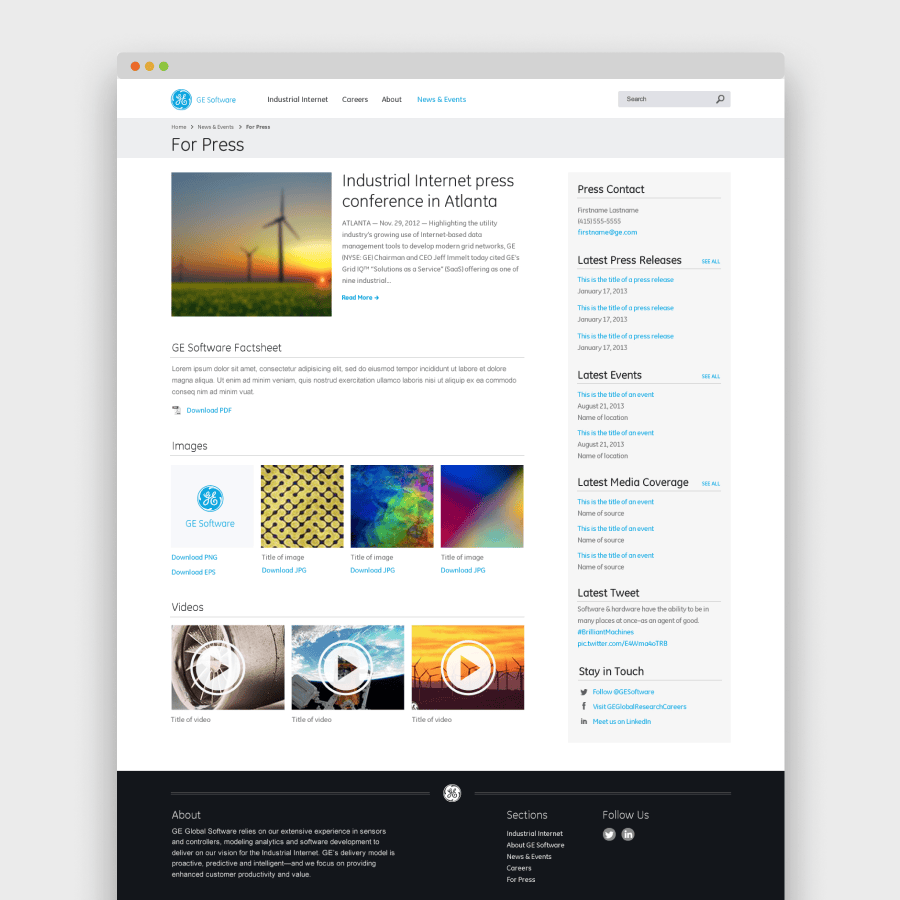
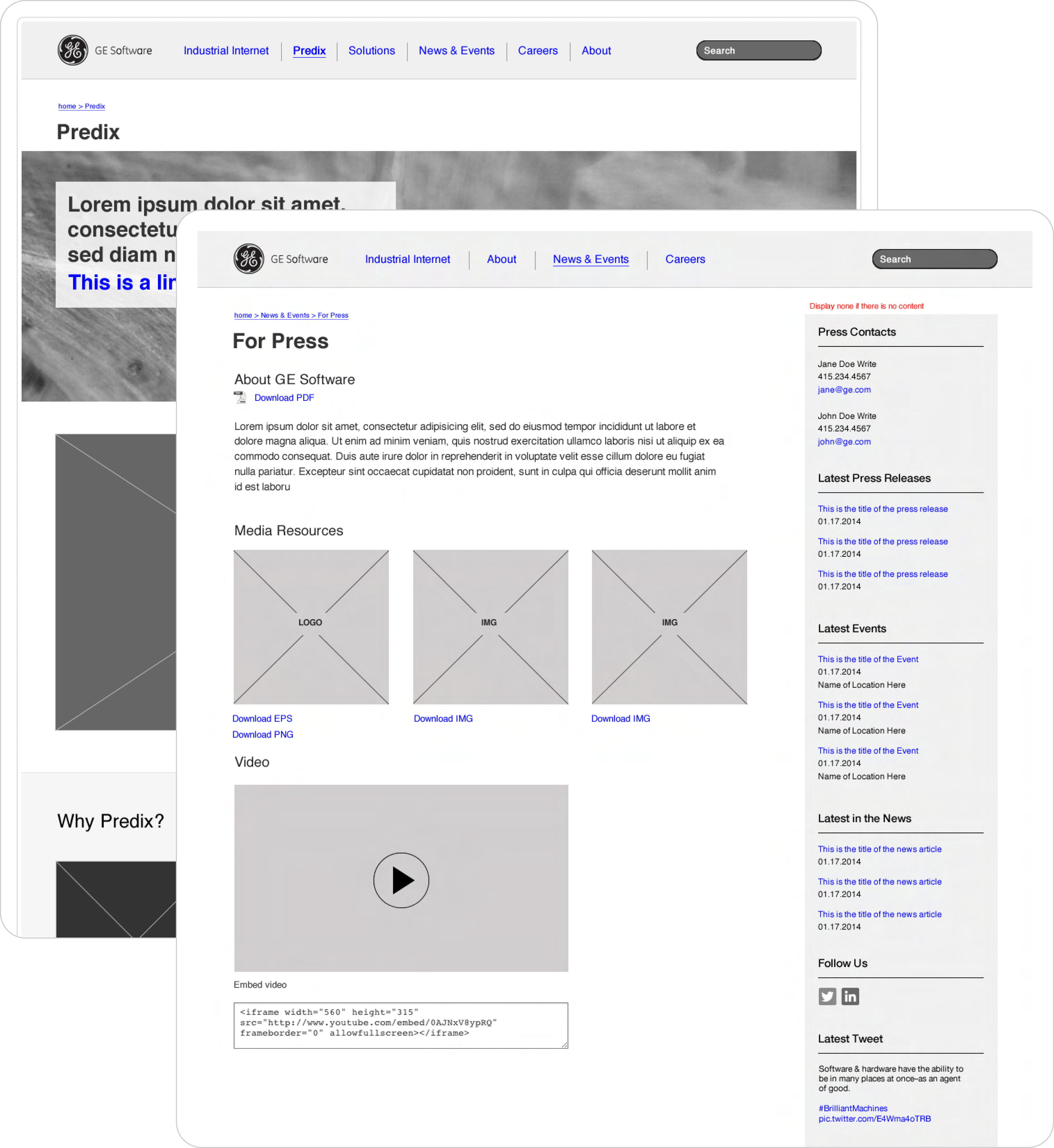
With the architecture defined, I began wireframing. These low-fidelity explorations focused on hierarchy, content flow, and modular components that could scale as the portfolio expanded. I worked through multiple iterations to ensure the narrative moved from high-level vision to concrete offerings in a way that felt deliberate and credible. The wireframes also helped align stakeholders internally before visual design began.
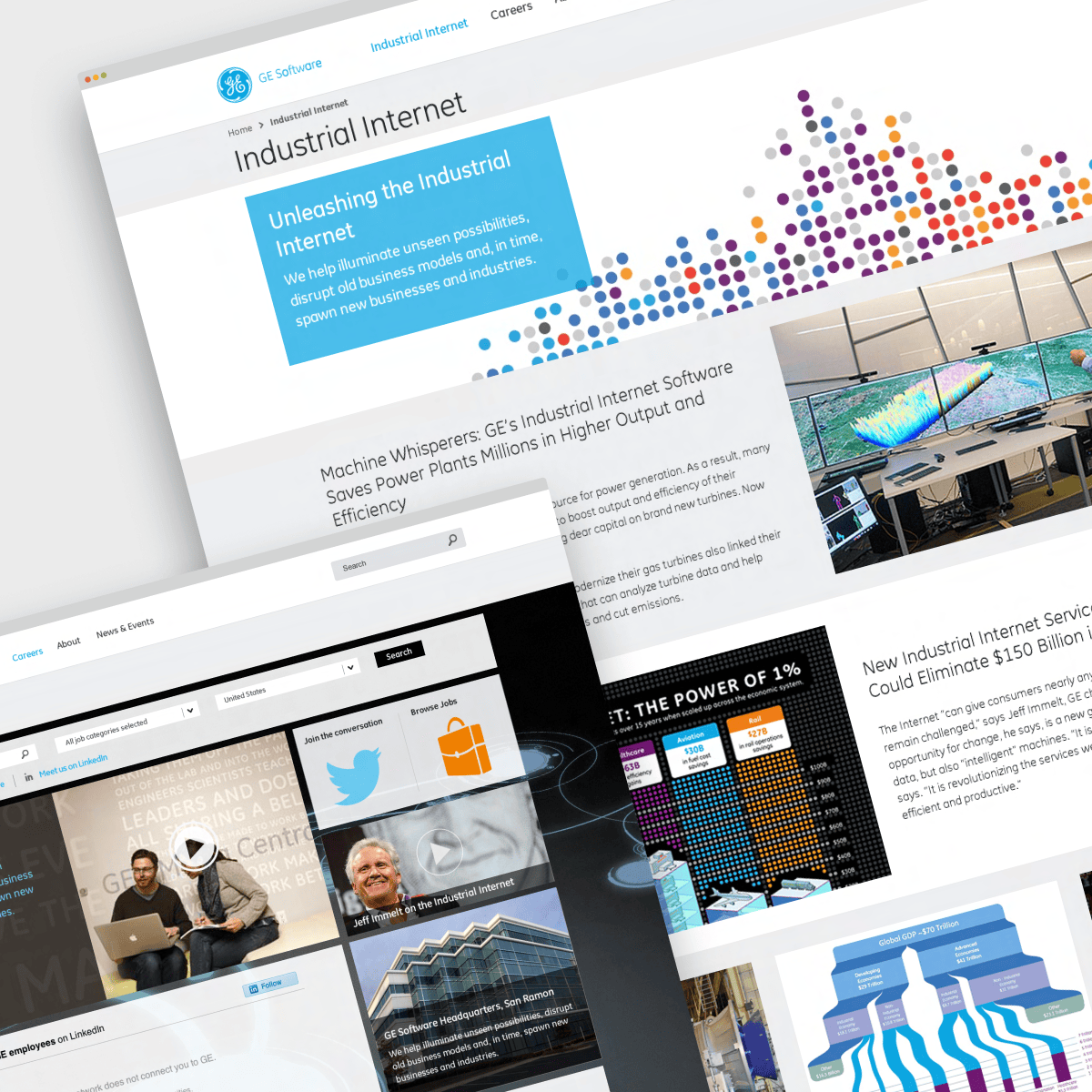
The final phase centered on visual execution within GE’s established brand system. GE’s design guidelines provided the foundation for typography, color, and layout principles. My task was to interpret those standards in a way that felt modern and software-forward while remaining unmistakably GE. The result was a site that introduced a new digital identity without breaking brand continuity, signaling both innovation and institutional strength.